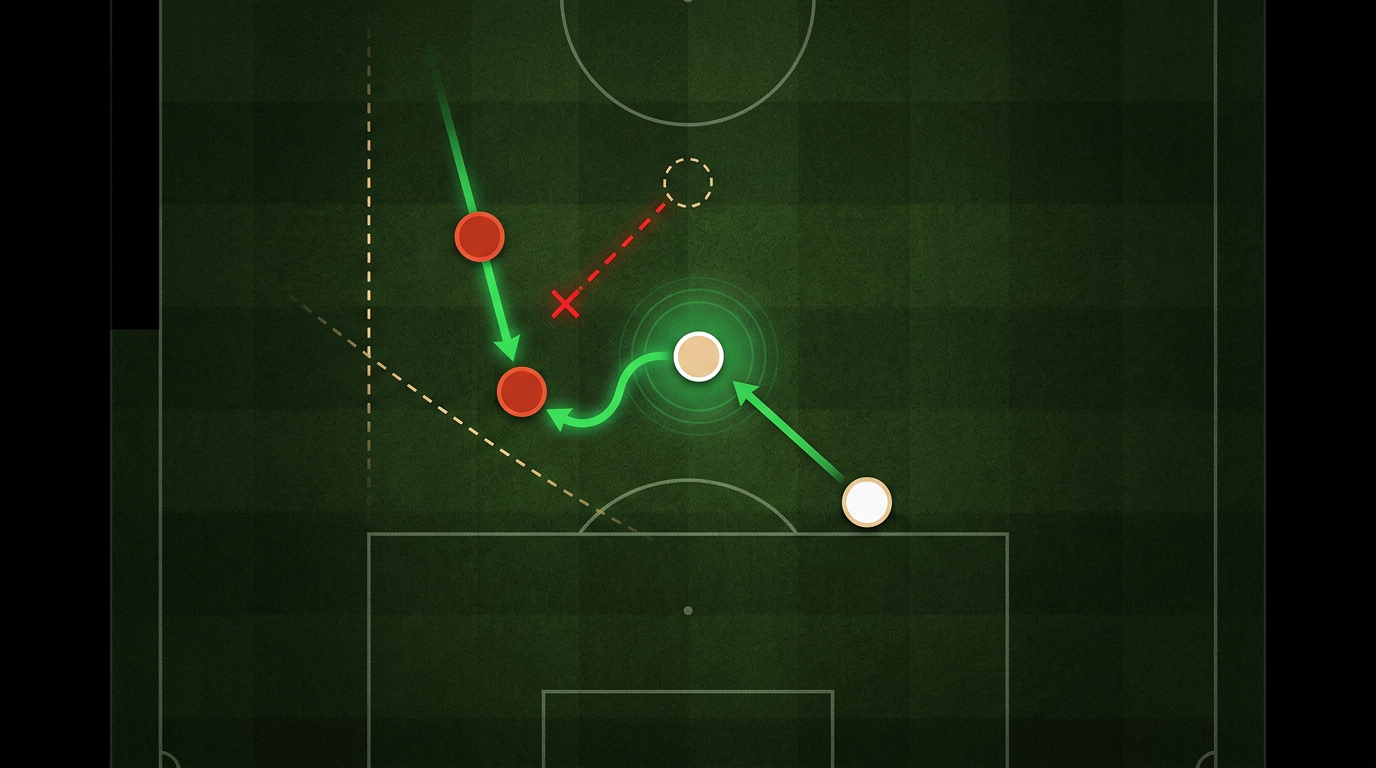
Delaying the Attacker: Buying Time and Protecting the Goal

By Become Unplayable Team· 27 July 2026· 2 min read
Delaying the Attacker: Buying Time and Protecting the Goal — Become Unplayable Playbook

When an attacker is running at your child, their first instinct might be to win the ball. But often, the best defence is to slow things down. Read why delaying an attacker can be the smartest move on the pitch.

Picture this: a lone attacker is charging towards your child on the pitch, ball glued to their boots. Their teammates are scrambling back, but for a moment, it’s just them and the opposition player.

In these split-second situations, it’s tempting to try and win the ball straight away, isn't it? That brave, head-on tackle seems like the natural thing to do. But in football, especially for young players learning the game, sometimes the most effective action isn’t the most glamorous one.

The Art of Slowing Things Down

When you’re the last defender, or covering a lot of space, your primary job isn’t always to win the ball immediately. It’s to buy time. Think of it like this: if you dive in and miss, the attacker then has a clear run at goal. All that effort, and suddenly, they've got an even better chance to score.

Instead, consider narrowing the attacker's space, jockeying, and essentially putting the brakes on their forward momentum. This doesn’t mean backing off entirely or turning your back. It means staying 'goal-side' – between the attacker and your goal – and making them think twice. What you're doing is creating a shield, not an open door.

Giving Teammates a Chance to Recover

Why is this 'delaying' so important? Because while you’re holding your ground and making things difficult, your teammates are getting back into position. That moment or two you gain can be the difference between a one-on-one with the keeper and having another defender alongside you, ready to help.

It’s about teamwork, even when you feel like you’re on your own. Your tactical patience allows the team to reorganise and provides a stronger defensive structure to deal with the threat. It’s a very smart piece of defending that often goes unnoticed, but is crucial for solid team play.
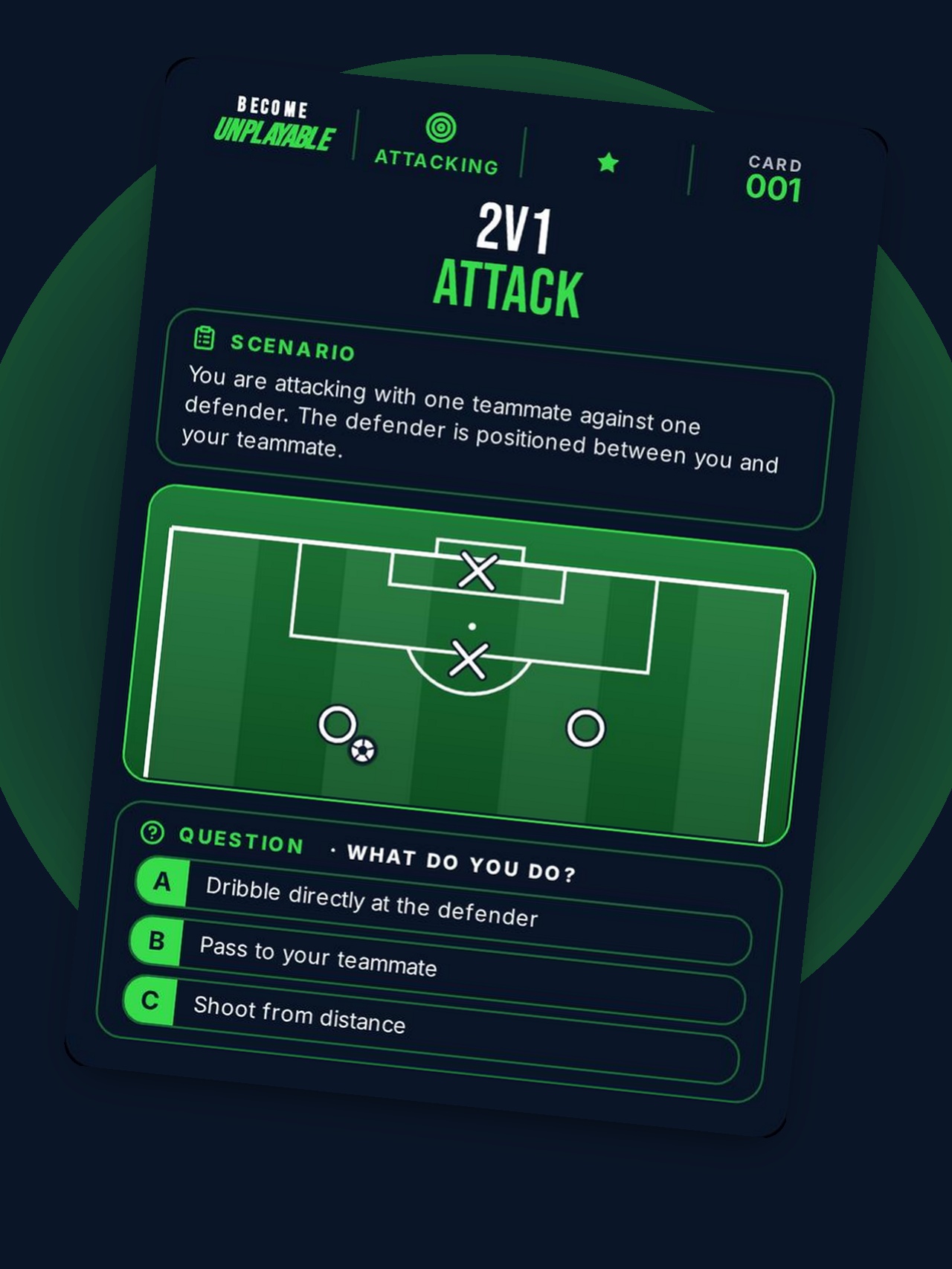
A moment to discuss

What do you think your child would do here?

An attacker is dribbling towards you in open space. Your teammates are still recovering and you're the only defender between the attacker and the goal.

There isn't a right or wrong answer — the value is in the conversation that follows.

Common questions

What does 'delaying an attacker' mean in football?

Delaying an attacker means not committing to a tackle immediately, but rather staying 'goal-side' (between them and your goal), narrowing their space, and slowing down their forward progress. The aim is to buy time and make it difficult for them to create a scoring opportunity.

Why is delaying an attacker important for young players?

It's crucial for young players because it teaches them patience and tactical awareness. Instead of making a risky tackle, they learn to protect their goal and allow their teammates to recover defensively, creating a stronger overall team defence.

How can my child practice delaying an attacker?

They can practice by doing one-on-one drills where the defender is instructed not to tackle, but only to 'jockey' and stay goal-side, forcing the attacker wide or into less dangerous areas, until a 'recovering' teammate joins the drill.

Is it ever okay to tackle immediately as a defender?

Yes, there are times when an immediate tackle is the right choice, especially if the opportunity is clear, the attacker is vulnerable, or you have good cover. However, when you are the last defender in open space, delaying is often the safer and more effective option.

About the author

Become Unplayable

Become Unplayable creates tools and resources designed to help young footballers think about the game, understand situations and develop better decision-making habits.

The card game that teaches kids how to think like a footballer.

Help young players improve their decision-making, positioning, teamwork and football intelligence through fun match-day scenarios. Designed for ages 7–13. No coaching experience required.

Become Unplayable Foundation Pack cards and box

Join the waiting list

By joining you agree to receive Become Unplayable updates by email. Unsubscribe anytime.

Continue reading

More from The Playbook to help you understand your young footballer.

Back to The Playbook

Explore all our articles for parents of young footballers.