When the Keeper Rushes Out: What's Going Through Their Mind?

By Become Unplayable Team· 19 October 2026· 3 min read
When the Keeper Rushes Out: What's Going Through Their Mind? — Become Unplayable Playbook

We've all seen it: a striker takes a heavy touch and suddenly the goalkeeper is sprinting off their line. It looks straightforward, but it's a huge decision for a young player.

Picture this: your child is in goal, the opposition striker is bearing down, and then, a little moment of fortune – the attacker takes a slightly heavy touch. The ball bobbles a yard or two further than they intended. Suddenly, the keeper is off their line, charging out. Sometimes they get there, sometimes they don't, and sometimes they hesitate. It’s a moment that can make your heart leap, whether they win the ball or not.

From the touchline, it might look like a simple choice: go for it or stay put. But for a young keeper, especially when the game is moving so quickly, it’s a surprisingly complex decision, loaded with pressure and split-second calculations.

The Split-Second Calculation: Can I Get There?

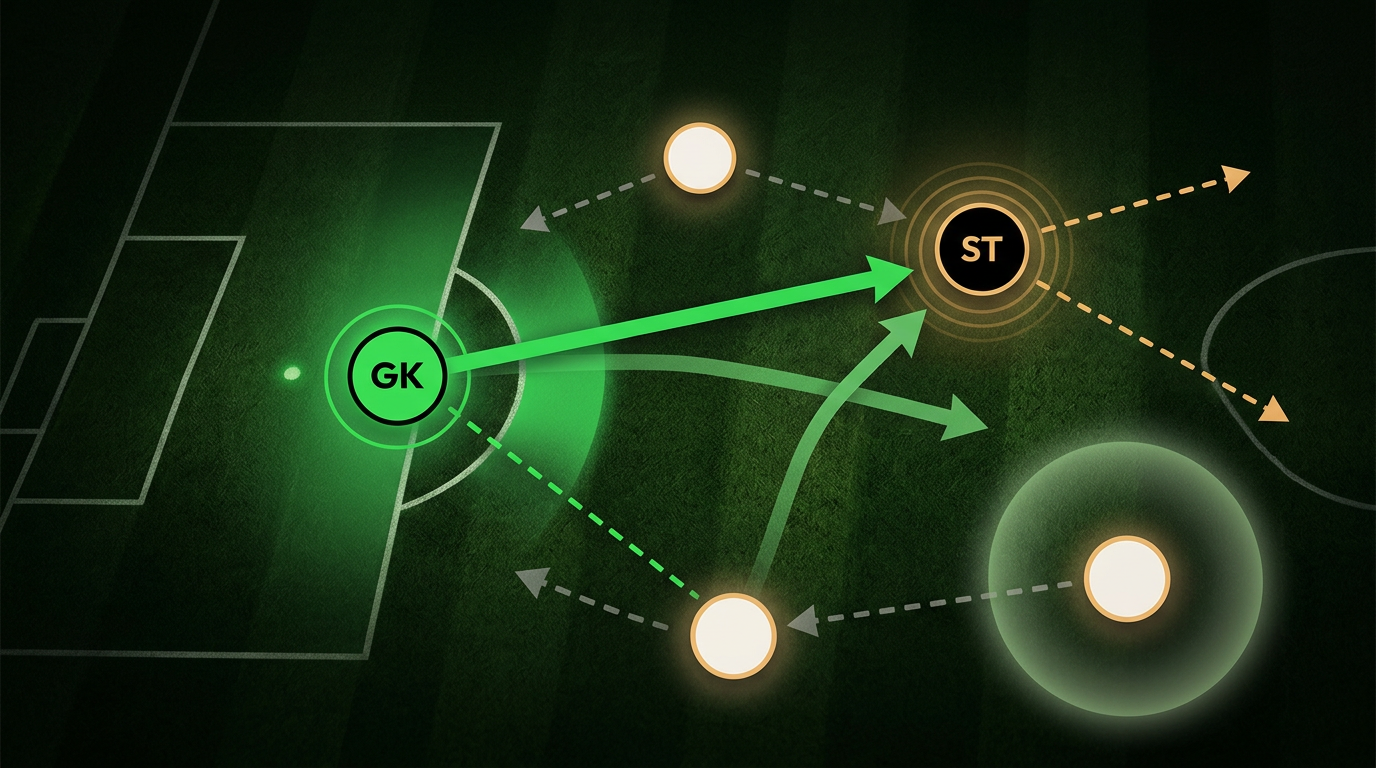
When that heavy touch happens, the first thing a young keeper is often trying to figure out, even subconsciously, is a race. 'Can I get to that ball before the attacker does?' It's not just about speed; it's about the angle, how close the attacker is, and how far the ball has actually travelled. Is it a slight miscontrol, or has it really got away from them?

This visual assessment is happening in a flash. They're trying to project where everyone will be in the next second or two. If they misjudge and the attacker gets there first, the goal is often open. That’s a big risk to weigh up when you’re only eight or nine years old.

The Risk of Hesitation

Sometimes, you might see your child start to come out, then pause, and then retreat. This hesitation can be really difficult to watch because it often leaves them in ‘no man’s land’ – too far off their line to protect the goal, but not close enough to win the ball.

That pause is often a sign of conflicting thoughts or a moment of self-doubt. They might have a gut feeling to go for it, but then a little voice creeps in saying, 'What if I don't make it?' or 'What if the coach gets annoyed?' Those thoughts, however brief, can be enough to freeze them for a vital second, giving the attacker just enough time to recover.

The Option of Retreating: Buying Time for Defenders

It’s not always about rushing out. Sometimes, if the ball hasn't travelled far enough, or if the attacker is just too quick, a young keeper might instinctively realise they won't get there first. In those moments, dropping back towards their goal might feel like the safer option. Why?

It can buy a precious second or two for a defender who’s chasing back to get into a blocking position. It also means the keeper is still between the ball and the goal. The downside, of course, is that it gives the attacker more time and space to regain control and line up a shot. It really is a tricky balance to strike.
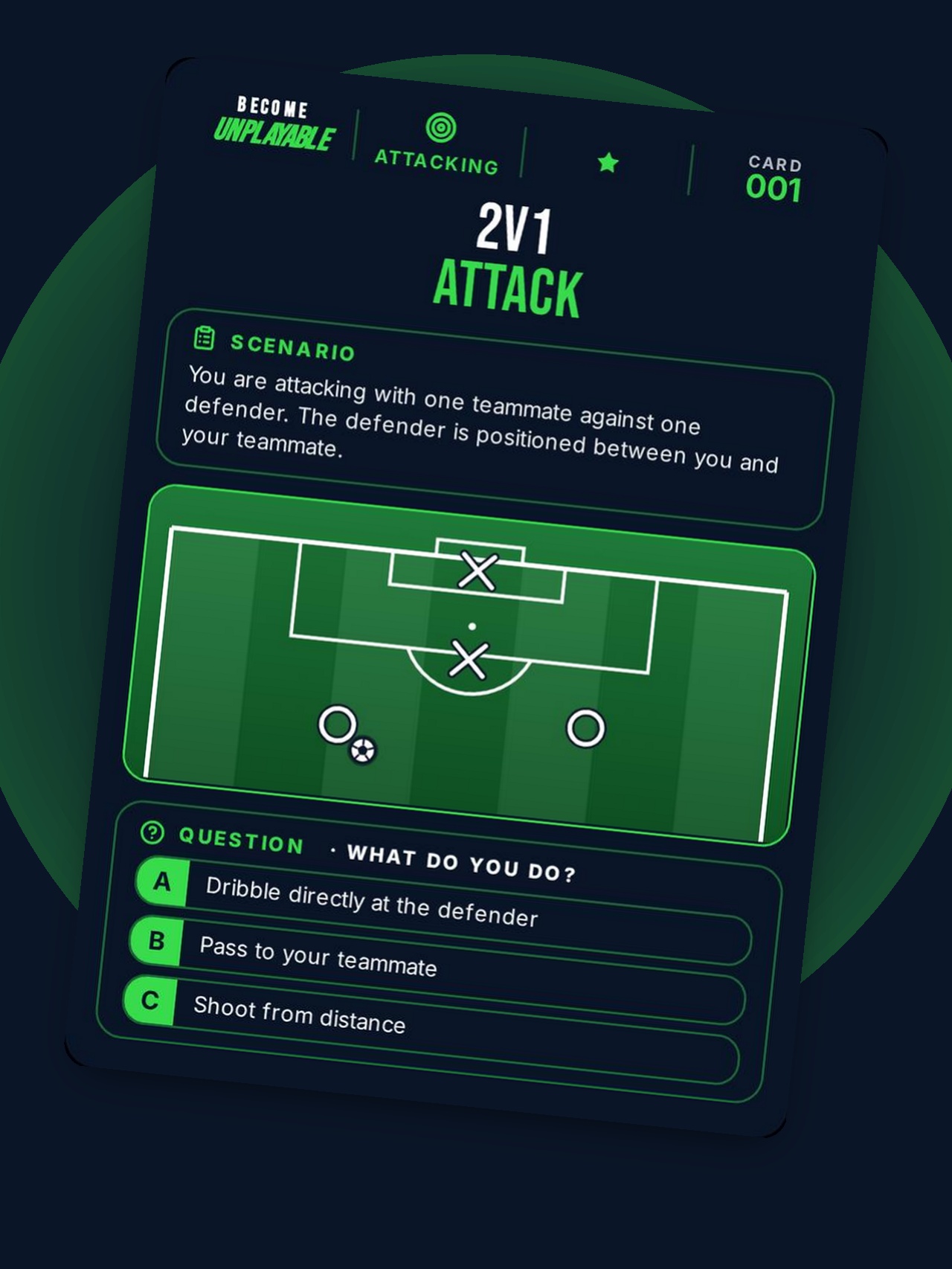
A moment to discuss

What do you think your child would do here?

Your child is in goal. The opposition striker is sprinting towards your goal with the ball. They try to push the ball past a defender but take a really heavy touch, and the ball bounces quite a way ahead of them, towards the edge of your child's penalty area. Your child has already started moving forward a little.

There isn't a right or wrong answer — the value is in the conversation that follows.

Common questions

Why does my child's goalkeeper sometimes rush out and sometimes stay back?

It's a really tough decision! They're quickly judging if they can beat the attacker to the ball, the distance, and the risk of leaving an open goal. Sometimes they see a clear chance to win it; other times, they might feel it's safer to stay back or give defenders time to recover.

How can I help my child understand when to come out as a goalkeeper?

Rather than coaching them on what to do, try asking questions after a match. You could say, 'When the ball ran loose, what did you see first?' or 'What made you decide to move towards it (or stay back)?' This helps them reflect on their decision-making process.

My child's goalkeeper often hesitates; what does that mean?

Hesitation is very common in young keepers. It usually means they've seen an opportunity but are also weighing up the risk of not getting there. That split second of doubt can make it harder for them to commit fully. It's part of learning to trust their instincts under pressure.

About the author

Become Unplayable

Become Unplayable creates tools and resources designed to help young footballers think about the game, understand situations and develop better decision-making habits.

The card game that teaches kids how to think like a footballer.

Help young players improve their decision-making, positioning, teamwork and football intelligence through fun match-day scenarios. Designed for ages 7–13. No coaching experience required.

Become Unplayable Foundation Pack cards and box

Join the waiting list

By joining you agree to receive Become Unplayable updates by email. Unsubscribe anytime.

Continue reading

More from The Playbook to help you understand your young footballer.

Back to The Playbook

Explore all our articles for parents of young footballers.