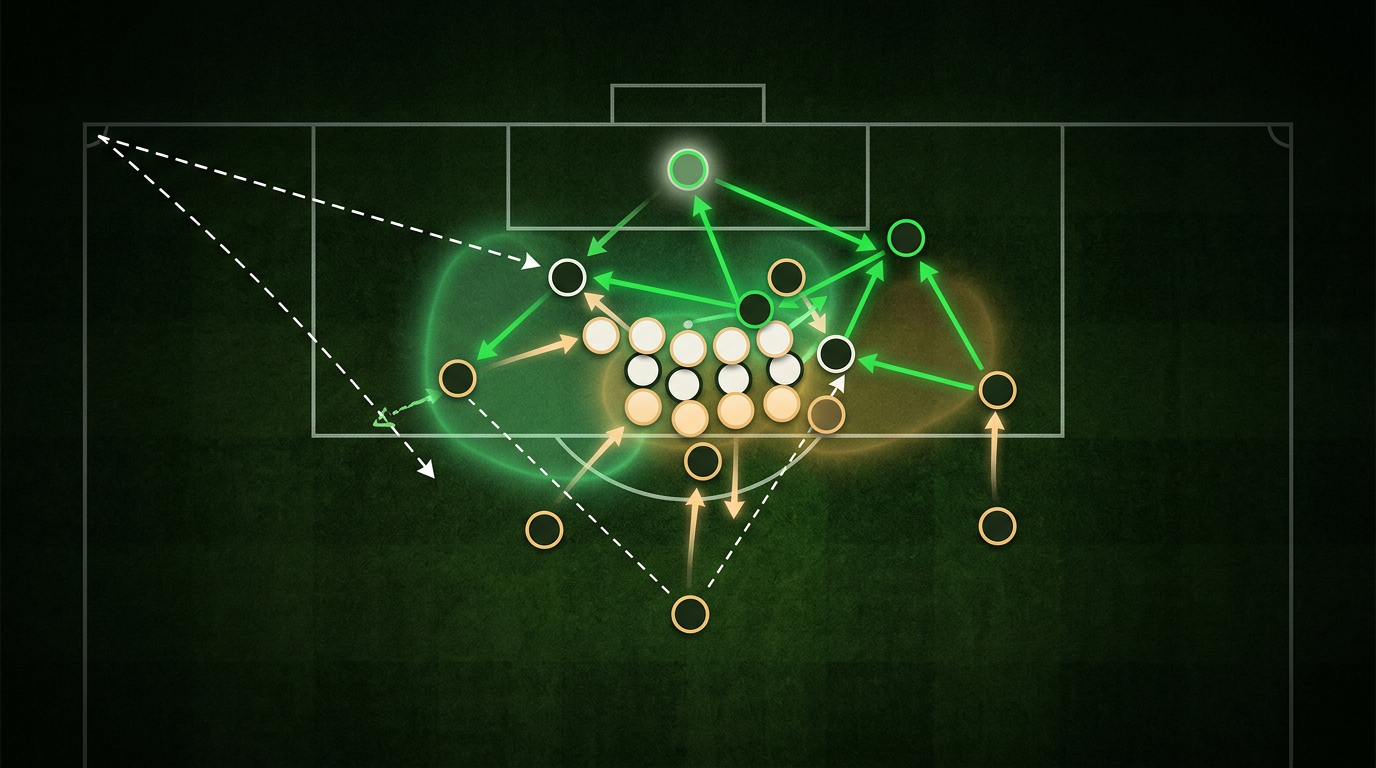
The ball goes out, a corner kick awarded. For us on the touchline, it's a moment of anticipation, maybe a bit of dread. But for your child, especially if they're in goal, it’s a flurry of activity and decisions that need to be made in mere seconds. It's not just about stopping the shot; it's about seeing the bigger picture even before the ball is played.
You might see them shouting, pointing, or looking a bit overwhelmed. It’s a snapshot of the mental game happening on the pitch, often far more complex than we give them credit for from our vantage point.
A Keeper's Unique View
Imagine standing between the posts. You've got the best view in the house, in a way. You can see the whole penalty area laid out in front of you: every opponent, every teammate, every gap. But this 'best view' also comes with a big responsibility. While the defenders might be focused on their immediate opponent or tracking the ball, your child, as the keeper, is often the only one with a full, panoramic perspective.
This wide view means they often spot dangers that others might miss – an attacker creeping in unmarked, or a space opening up. They're trying to process all this information and often, at a young age, figure out what to do with it, and quickly.
The Challenge of Communication
It's one thing to see danger, it's another to do something about it. For a young keeper, communicating effectively can be incredibly difficult. They might see two opposition players standing free in the box, but then have to figure out who to tell, what to say, and how loudly to say it over the general noise and pressure of the moment.
Sometimes they might point or shout at a defender, but the defender might not hear them, or be too focused on their own job. This can be really frustrating for a child – knowing what needs to happen but struggling to make their message heard and acted upon by their teammates.
Prioritising Under Pressure
Another tough decision for a keeper in these moments is what to prioritise. Do they focus on getting themselves into the perfect position to catch or punch the ball? Or do they try and organise the defence, pointing out the unmarked players, even if it means taking a split-second away from their own preparations?
It's a tricky balance, and for a young player, it's not always clear which is the most important. Sometimes they might choose to focus on their own job, hoping their teammates will sort out the marking, or they might try to help their team, only to find the corner is taken before they've settled themselves. There's no single 'right' answer, and children learn through trying and sometimes through making what seem like 'mistakes' to us.