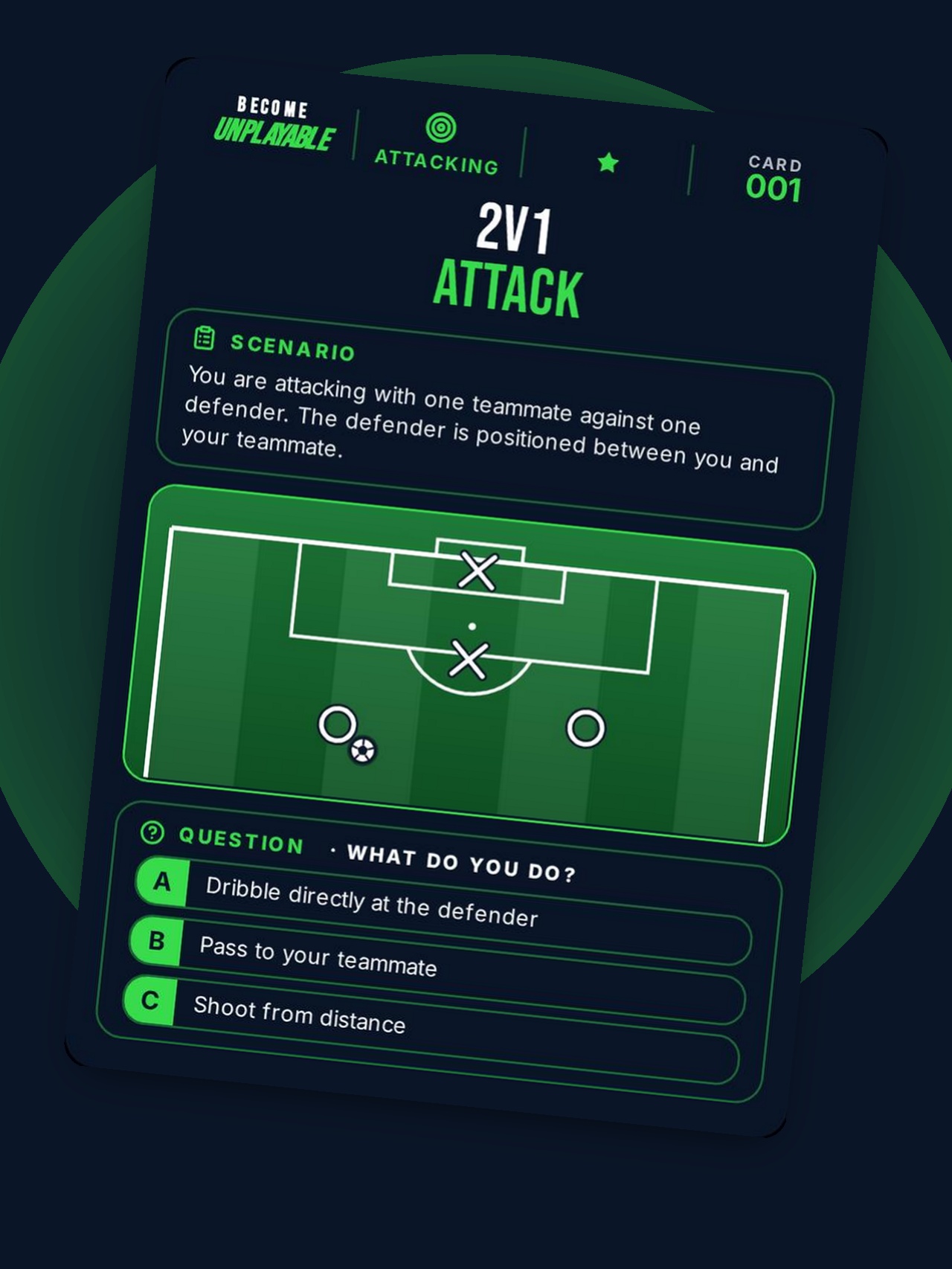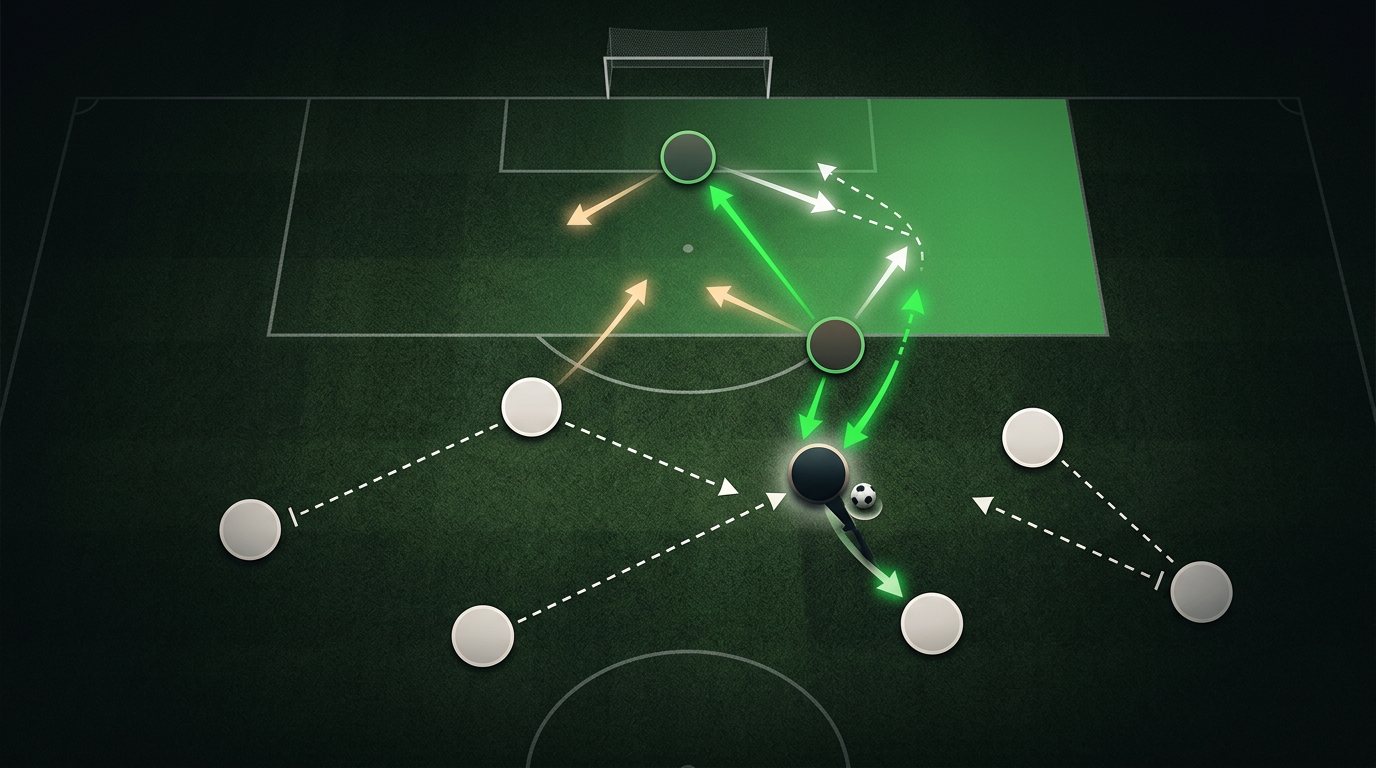
Every parent watching from the touchline knows that feeling – the sudden silence, the collective intake of breath, as an opposing attacker sprints towards goal, seemingly unopposed. Your child, the keeper, is suddenly thrust into the spotlight, the last line of defence. It’s a moment of immense pressure, and what they do in those split seconds can feel like the most important decision of the match.
From our perspective, it might seem simple: stop the ball! But for a young player, especially a goalkeeper, navigating this high-stakes situation involves far more than just quick reflexes. It’s about managing space, reading an opponent, and making a critical choice under pressure.
The Pressure of the Moment
Imagine being seven or eight years old, with the entire pitch opening up before an attacker, and all eyes on you. This isn't just about technique; it's a huge mental challenge. The instinct to act, to do something, is incredibly strong. For some young keepers, the natural urge is to retreat, making themselves small, hoping the attacker misses. For others, it's a burst of adrenaline, charging out to meet the danger head-on. Both are natural responses to a scary situation.
What they're wrestling with in that instant is a big decision: do I hold my ground, giving them less of a target but more time, or do I rush out, trying to close down the space but risking being bypassed?
The Illusion of Space
When an attacker is running clean through, the goal seems enormous. From the keeper’s perspective, the posts feel miles apart, and every corner looks vulnerable. This feeling can be overwhelming. Staying on the goal line might feel safe, but it actually gives the attacker the biggest possible target and plenty of time to choose their spot, almost like a penalty kick from open play.
Conversely, charging out can feel like the bold, proactive move. But if it's done too quickly or without control, the attacker might simply push the ball past them and tap it into an empty net. It’s a delicate balance between being aggressive and being smart about it.
Reading the Attacker's Touch
One of the subtle things that older, more experienced keepers learn is to 'read' the attacker. This means not just watching the ball, but also how the attacker is controlling it. Is their touch a bit heavy? Are they looking up, or are their eyes fixed on the ball? These tiny clues can tell a keeper a lot about what might happen next.
For a young keeper, processing all of this information in a split second is incredibly difficult. They might be solely focused on the ball itself, or just on the attacker's run, without being able to combine those observations. This makes knowing when to commit, or even when an opportunity might arise to win the ball, a real challenge.
The 'What If' Game
No matter what decision your child makes in goal in these moments, there’s always a 'what if' element. What if I had stayed on my line? What if I had come out faster? What if I had waited? It’s a learning experience every time, and every outcome, whether a save or a goal conceded, adds to their understanding of the game. For us as parents, understanding this internal struggle helps us appreciate the complexity of their role.