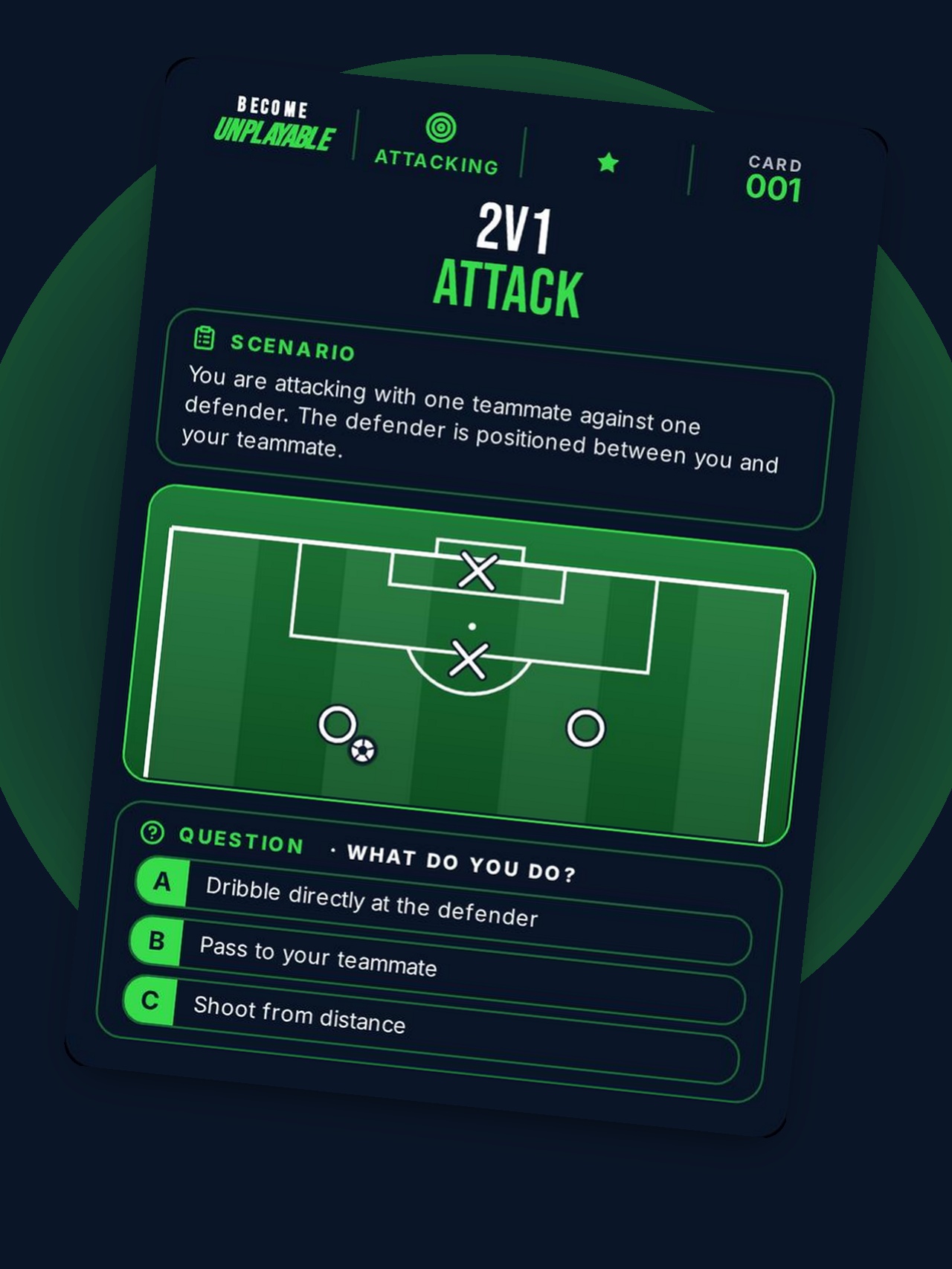
There are those moments in a match that seem to slow down for us on the touchline. The ball pops out, your child’s teammate gets hold of it, and suddenly, they're running forward with only one defender between them and the goal. And then you see it: your child is running alongside, creating a two-against-one situation. It feels like a golden opportunity, doesn’t it? Yet, sometimes, it just doesn’t quite click. The pass doesn't come, or it goes astray, or the defender somehow manages to snuff out the danger. It can be a bit of a head-scratcher.
What looks like a clear advantage to us can be a whirlwind of decisions and possibilities for a young player. They’re not just seeing the ball and the goal; they're trying to figure out where everyone is, who’s going where, and what the best thing to do might be – all in a fraction of a second.
Seeing the Whole Picture is Tricky
From our vantage point, high up or across the pitch, we can often see the entire scene unfold: the spaces, the defender’s position, where the teammate with the ball might want to pass. But for a child on the pitch, especially one running at pace, their perspective is much more limited. Their eyes might be fixed on the ball, or on the goal, or even on the opponent they're trying to outrun.
It takes time and experience to develop that 'scanning' ability – to quickly take in all the moving pieces around them without losing track of their own movement or the ball. When they're focused on their own running or trying not to trip, a lot of the broader picture can simply be missed.
Offering Support Can Mean Different Things
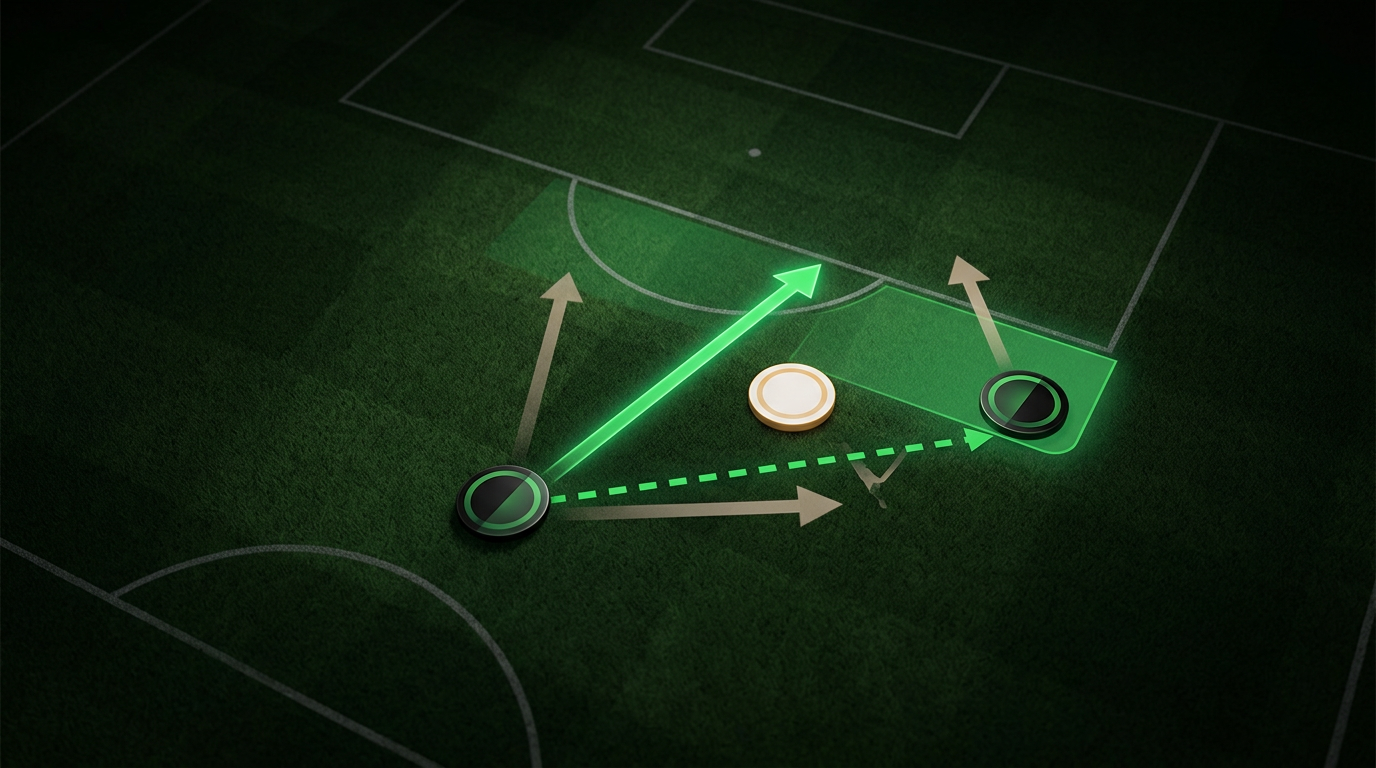
When a child is taught to 'support' a teammate, what does that really mean to them? It could mean running alongside, offering a shout, or just being generally 'involved'. But specifically, in a 2v1, the ideal support means creating a passing option that the single defender cannot realistically cover.
Sometimes, a child might run directly behind the defender, thinking they’re getting open. But for the player with the ball, that defender is still blocking the pass. Or they might drift too far wide, away from the immediate action, which makes the pass harder or leaves the other player isolated again. It's a delicate balance of distance and angle that young players are still learning to judge.
The Pressure of the Moment
These situations happen so quickly. The defender is closing in, the teammate with the ball is making their own decisions, and your child has mere seconds to react, anticipate, and move into a helpful position. This isn't a training drill where they can stop and think; it's live, fast-paced football.
The instinct to simply keep running towards the goal or to avoid the defender can sometimes override the more considered decision to adjust their run to receive a pass effectively. They're trying their best to contribute, even if the precise timing or positioning isn't always perfect.