The ball is fizzing about the pitch, and suddenly, your child makes a lovely pass to a teammate. You clap, maybe even cheer a little. But then, as the game continues, you might notice something: your child seems to stand still for a moment, watching the play unfold from where they are. Perhaps they just stay put, or maybe they shuffle a little, but they don't always burst into a new space, ready for the next move.
It’s a scene played out on countless pitches every weekend. For us watching from the touchline, it can sometimes look like they’ve simply switched off, or forgotten the 'pass and move' idea. But what’s really happening in that moment for a young player? Why is 'moving after the pass' often much harder than it sounds?
The Ball is the Magnet
For young footballers, the ball is everything. It’s the centre of the universe, the star of the show. When they pass it, there's a natural tendency for their eyes to follow it, to watch what happens next. It’s a bit like watching a really exciting film – you don't want to miss a moment of the action, even if you’re no longer directly involved.
This isn't them being lazy; it's a very natural stage of development. Their focus is still heavily on the immediate action of the ball. Thinking beyond that, to their own movement and how it might influence the next few seconds of play, requires a step up in 'game intelligence' that takes time and experience to build.
Thinking One Step Ahead
Once a pass is made, a child needs to rapidly process several things: Where did the ball go? Is my teammate under pressure? Where are the opponents? And crucially, where might I need to be next to help my team?
That's a lot of information to take in and act upon in a split second, especially when the game is moving fast. Often, the instinct is to secure their current position, to ‘recover’ from the effort of the pass, before contemplating the next move. Moving into a new space isn't just about running; it's about making a decision about where that space should be, which requires scanning and foresight.
The Challenge of Finding New Space
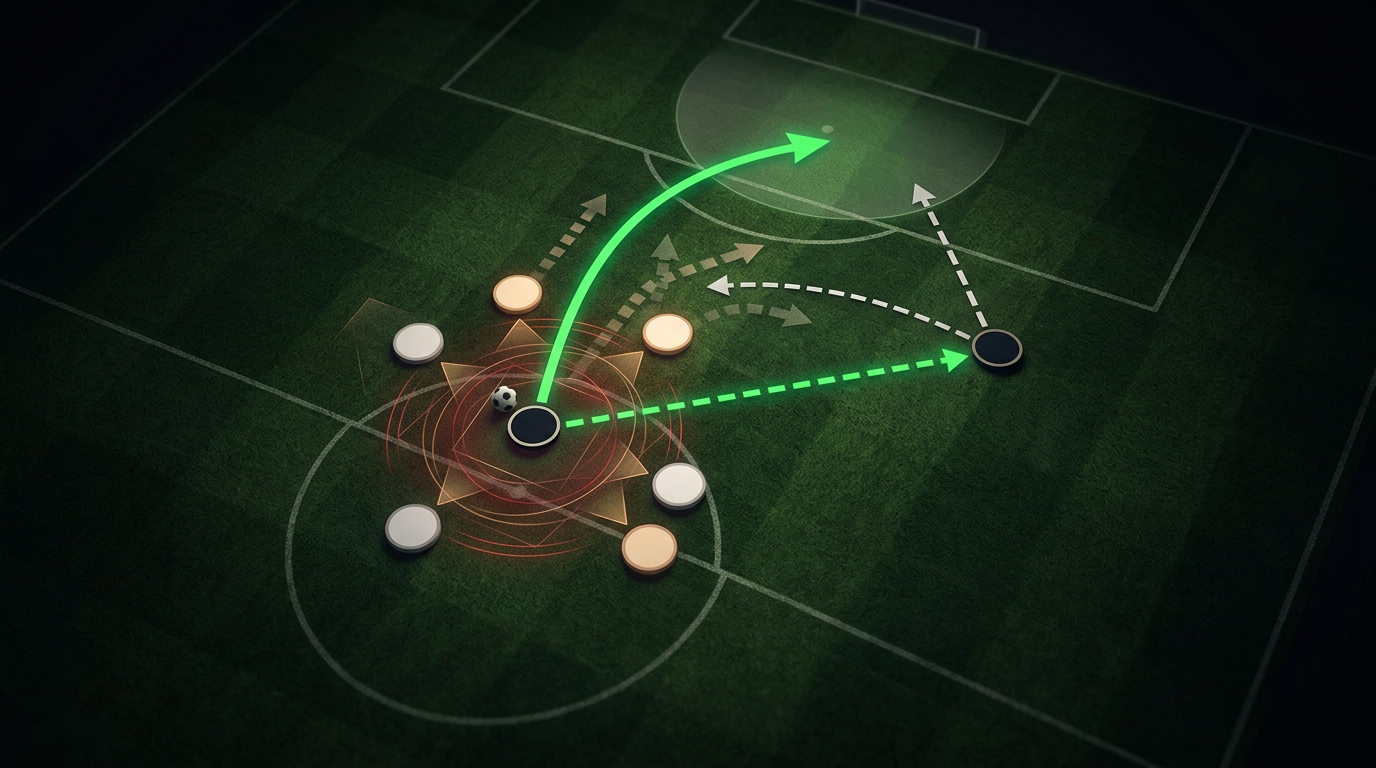
Even if a child understands they should move, the 'where' can be a puzzle. Do they run forward? Backwards? Wide? Towards the ball or away from it? This decision is influenced by their understanding of tactics, their awareness of teammates and opponents, and their confidence.
Sometimes they might move, but into an area that doesn’t genuinely help the team or offer a passing option. That's not a 'bad' move, but a learning experience. It shows they're trying to contribute, even if the execution isn't quite there yet.