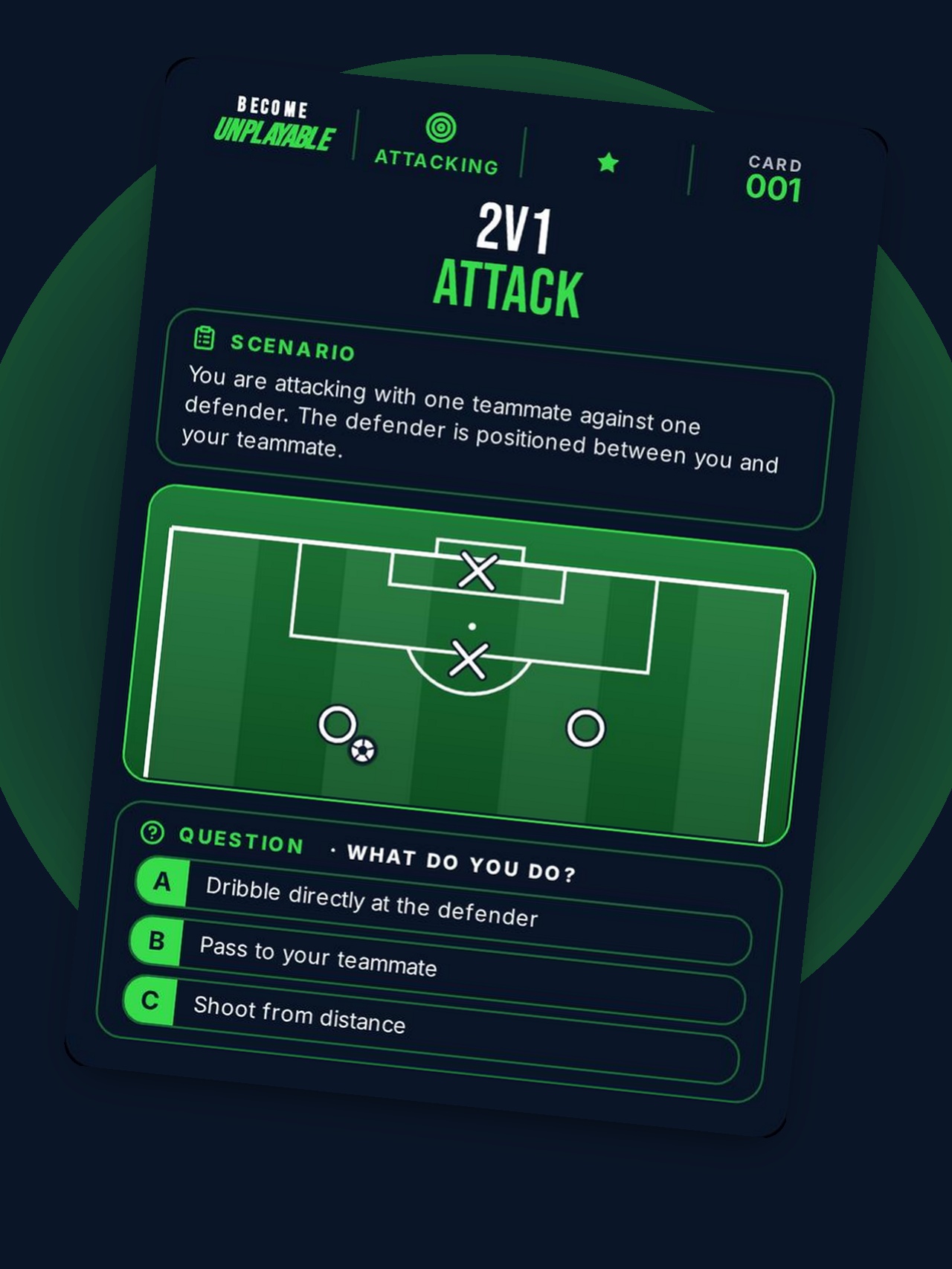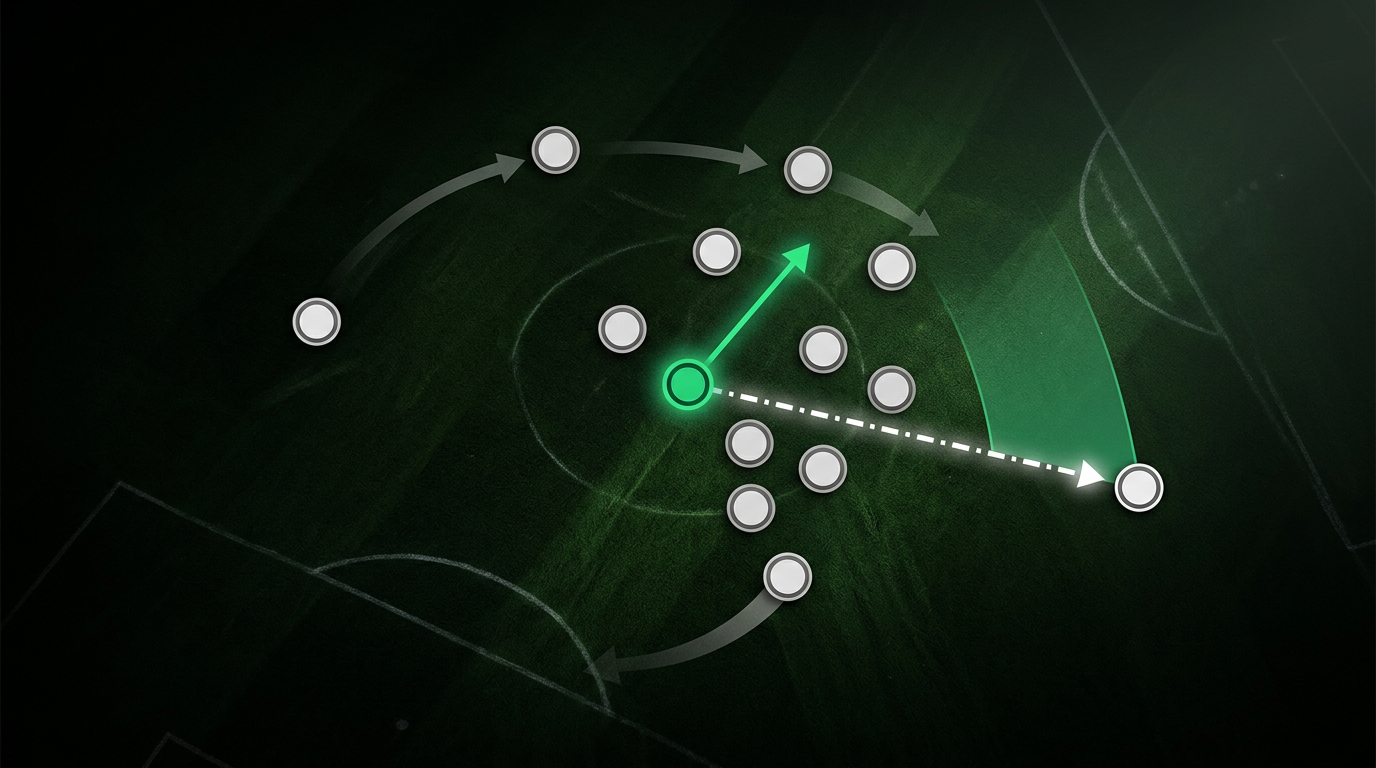
It's a moment that can stick in your mind as a parent watching from the touchline. Your child has the ball, a defender is closing in, and just a few yards away, a teammate is standing completely free, waving their arms. You see it, the other parents see it, even the dogs playing fetch on the next pitch probably see it. But the pass doesn't come. Instead, your child might try to dribble past a second defender, or perhaps take a hopeful, long-range shot.
It can be baffling, can't it? Why miss such an obvious opportunity? It’s rarely about a lack of willingness to pass, more often it’s about a whole host of things that make 'obvious' decisions much harder in the heat of the moment for a young player.
The World Through Their Eyes: Pressure and Vision
Imagine being seven, or ten, or even thirteen. You've got the ball at your feet, and suddenly a player from the other team is bearing down on you. Your focus narrows. You're concentrating on keeping control of the ball, on staying upright, on not losing possession. In that high-pressure blink of an eye, seeing a wider picture, like an unmarked teammate a bit further away, can be incredibly difficult.
Their peripheral vision isn't fully developed, and they're learning to 'scan' the pitch – to lift their head, take in information, and make a decision – all while trying to control the football. It's a skill that takes years to refine, and sometimes, simply keeping track of their own feet and the ball is all they can manage in a split second.
The Instinct to 'Do Something' with the Ball
Young players are often driven by a strong impulse to 'do something' with the ball once they have it. This can mean dribbling, shooting, or trying a fancy trick. Passing, especially a simple, short pass, can feel less exciting or less impactful to them in that specific moment. They might see it as giving up the ball rather than creating a better opportunity for the team.
They're still learning the value of possession and how giving the ball to a teammate in a better position often leads to a more dangerous attack than trying to do it all themselves. It's a fine balance they're constantly figuring out.
Trust and The Unfolding Play
Sometimes, it also comes down to trust – or a lack thereof – in their teammates. Do they believe their teammate will successfully receive the pass? Do they trust them to then make a good decision? These are subconscious calculations that happen in a flash.
And then there's the game itself, constantly flowing and changing. What was an 'unmarked' teammate a second ago might suddenly have a defender closing in the next. The decision-making process isn't static; it's about reacting to a constantly shifting picture, and sometimes, by the time a young player processes the information, the window of opportunity has already closed.