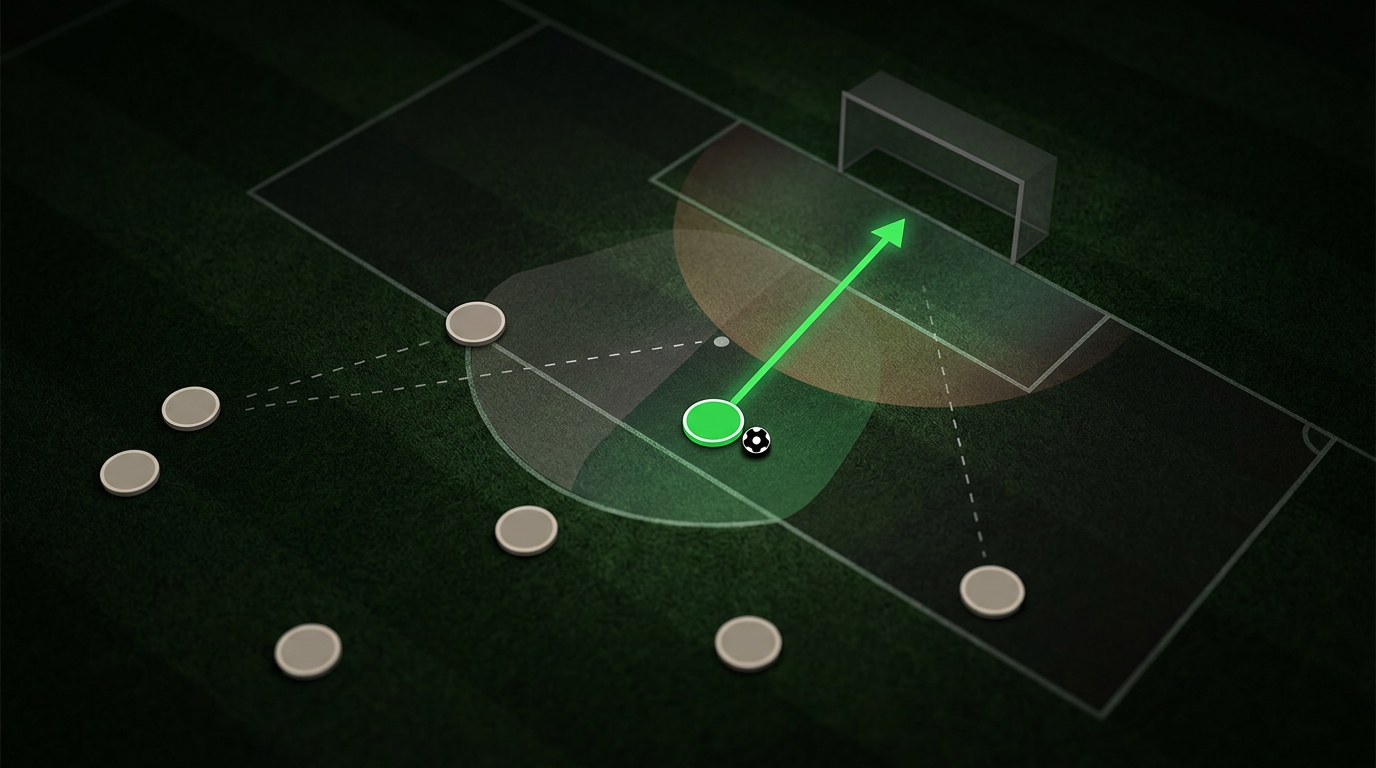
The Elusive Open Goal: Why Finishing Can Be Tricky for Young Players

By Become Unplayable Team· 21 October 2026· 3 min read
The Elusive Open Goal: Why Finishing Can Be Tricky for Young Players — Become Unplayable Playbook

We've all seen it: the ball breaks free, the defence is nowhere, and the goal is gaping. It looks so simple from the touchline, but for a child, it can be one of the most challenging moments in a match.

The ball is fizzing across the box. Your child is running onto it, the defender is just a step behind, and for a split second, it’s all clear. The keeper is scrambling back from the other post, and the net is… well, it’s just there, waiting. From your vantage point on the touchline, it feels like an eternity, and the only thought in your head is: 'Shoot!' But often, that moment slips by, or the shot sails wide, or the chance is gone. What happened?

It’s a scene played out every weekend, and it’s one of those moments that highlights just how different the game looks from inside the pitch compared to outside it.

The Pressure of Expectation

For a young player, an open goal isn't just an opportunity; it's a huge surge of pressure. Everyone watching expects a goal. Their teammates expect a goal. Your child themselves expects a goal. This sudden rush of expectation can make a normally simple action – kicking a ball – feel incredibly complex. The focus shifts from the ball to the outcome, and that can tighten muscles and cloud judgment.

Think about it: how many times have you seen a more difficult shot, with a defender in the way or from a tight angle, go in? Often, it’s because the player isn’t burdened by the same level of internal pressure. The stakes feel lower, paradoxically making the execution easier.

A Fleeting Window of Opportunity

What looks like an 'open goal' from the stands is often a rapidly closing window for a child on the pitch. Defenders are recovering, the keeper might be getting back, and other players are moving. The time available to make a decision and execute a shot is far shorter than it appears. The brain needs to process so much information in milliseconds: where are the defenders, where is the keeper, where is the goal, how am I balanced, what foot should I use, how hard should I hit it?

It’s not just about seeing the goal; it’s about having the physical and mental readiness to act immediately and decisively. That split-second hesitation, which feels like an age to us, is often just the young brain trying to catch up with the evolving picture around them.

The Instinct to Overthink

Sometimes, when a situation seems 'easy', we can complicate it. Instead of just putting the ball in the net, a child might start thinking about how they *should* put it in the net. Should I blast it? Should I place it? Should I try to chip it? This overthinking can lead to a less natural, less fluid execution. The simplest solution is often the best, but the 'simplicity' of the moment can be deceptive.

They might also be recalling a previous mistake, or trying to emulate a 'perfect' goal they saw on TV, rather than just reacting to the live situation in front of them. It's a lot to juggle, especially when their boots are full of adrenaline.
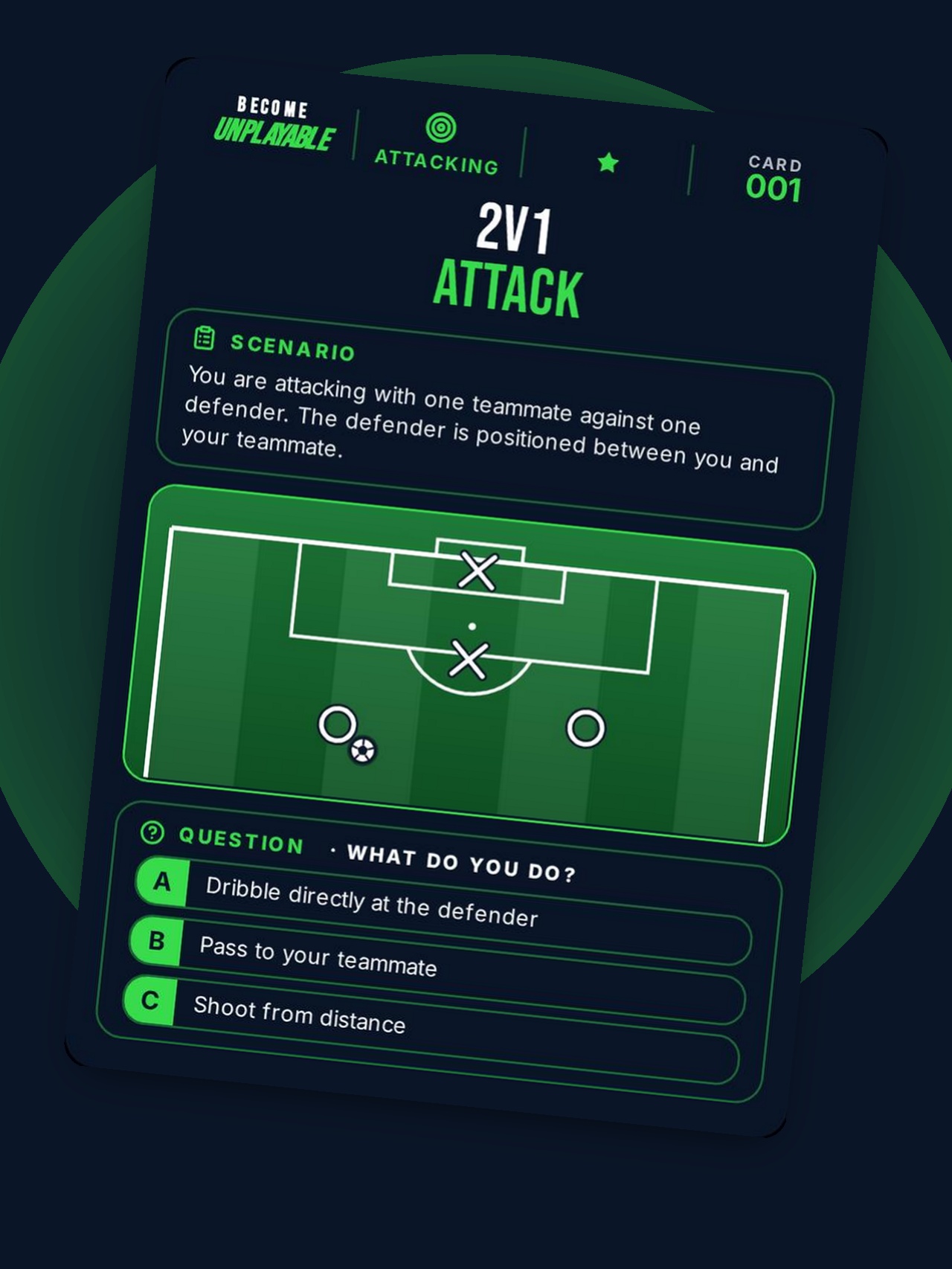
A moment to discuss

What do you think your child would do here?

Your child has made a great run, beaten a defender, and the ball is at their feet. The goalkeeper is well out of position, scrambling back, and the goal is wide open, with no immediate defender between your child and the net. It's a golden chance.

There isn't a right or wrong answer — the value is in the conversation that follows.

Common questions

Why do kids miss open goals in football?

Young players often miss open goals due to a combination of factors: immense pressure from expectation, the very short time window they have to act, and sometimes overthinking what should be a simple finish. From the pitch, the situation is much more complex and fast-paced than it appears from the touchline.

How can I help my child after they miss a big chance?

After your child misses a big chance, focus on understanding their perspective rather than critiquing. Ask open-ended questions like, 'What was going through your mind in that moment?' or 'Did you feel you had much time?' This helps them reflect without feeling judged, and can reveal insights into their decision-making process, rather than just focusing on the outcome.

Should I tell my child to shoot more often?

Rather than telling your child 'to shoot more', try to understand what factors might prevent them from shooting. Perhaps they don't feel confident, or they are looking for a 'perfect' pass. Open up a conversation about what they see on the pitch and how they decide whether to shoot or pass, focusing on their understanding of the game rather than giving instructions.

About the author

Become Unplayable

Become Unplayable creates tools and resources designed to help young footballers think about the game, understand situations and develop better decision-making habits.

The card game that teaches kids how to think like a footballer.

Help young players improve their decision-making, positioning, teamwork and football intelligence through fun match-day scenarios. Designed for ages 7–13. No coaching experience required.

Become Unplayable Foundation Pack cards and box

Join the waiting list

By joining you agree to receive Become Unplayable updates by email. Unsubscribe anytime.

Continue reading

More from The Playbook to help you understand your young footballer.

Back to The Playbook

Explore all our articles for parents of young footballers.