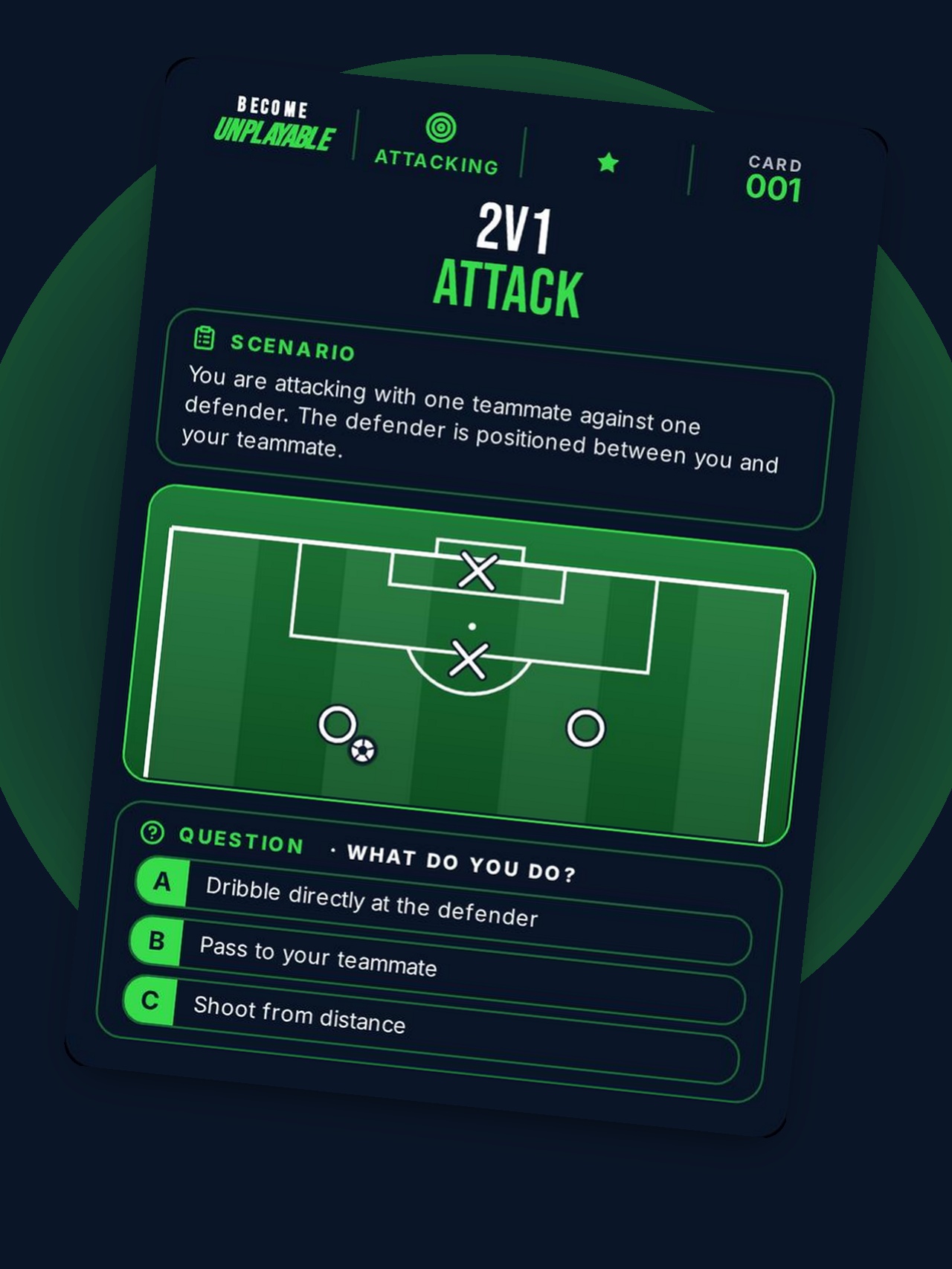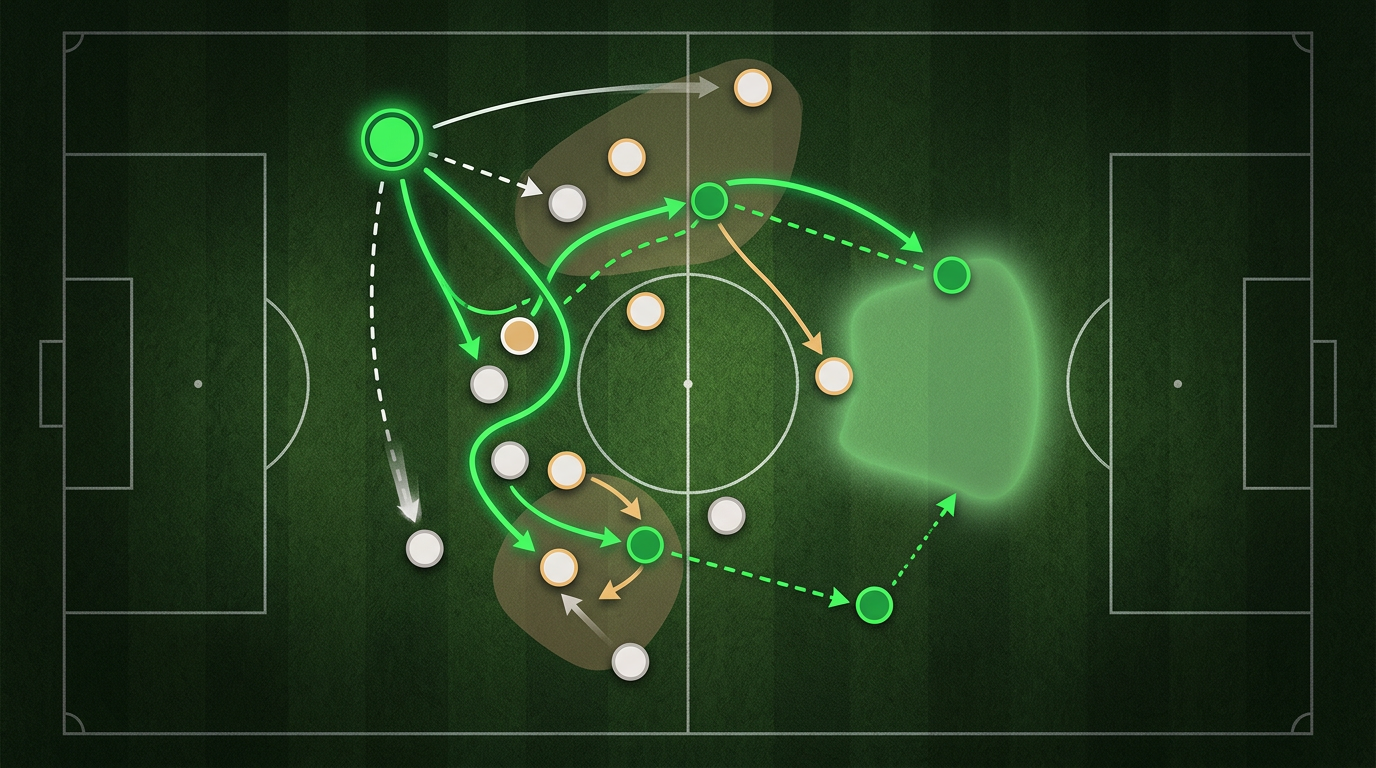
We’ve all been there: watching from the touchline as the ball rolls towards our child, and in that split second, they do… something. Maybe it’s a brilliant pass, maybe a speculative shot, or maybe it’s a moment where they look a bit lost. As parents, we often think, 'Why did they do that?' or 'Why didn’t they see the pass?' These moments are all about decision-making, but what does that really mean for a young player?
It’s not just about picking the 'right' option – often there are several good ones. For children, it’s about what they're trying to achieve, what they've noticed (or not noticed!), and how quickly they can process it all.
The Information Overload on the Pitch
Imagine being in the middle of a busy playground, trying to listen to several conversations at once, whilst also keeping an eye on where the ball is, who’s running where, and if someone’s about to bump into you. That’s a bit like what a young player experiences on the pitch. There's so much information coming at them: where their teammates are, where the opponents are, the position of the goal, the quality of the pitch, the weather, and of course, the ball itself.
For an adult, much of this processing is subconscious. For a child, it’s often a very conscious effort. They might be so focused on controlling the ball that they completely miss a teammate making a great run down the wing. It’s not that they don’t want to pass; it’s that their attention is absorbed by the task in front of them.
Speed of Thought vs. Speed of Foot
We often talk about players being 'quick', and naturally, we think of how fast they can run. But equally, if not more important, is how quickly they can think. A player might have a burst of speed but still take too long to decide what to do once they’ve got space. Conversely, a slower player who thinks ahead can often seem to be in the 'right place at the right time' because they’ve anticipated the play.
These decisions aren't made in isolation; they are continuous. Every touch, every movement, every glance is part of an ongoing chain of decisions. A young player might have a great idea, but if they execute it too slowly, the opportunity might have already vanished. It's a constant race against time and space.
Understanding Risk and Reward
Another big part of decision-making for young players is understanding risk. Do they try a difficult through-ball that could create a goal-scoring chance but might also be intercepted? Or do they play a safer pass sideways that keeps possession but doesn't immediately threaten the opposition?
Children learn this balance by trying things out. Sometimes they’ll take a risk and it will pay off spectacularly, and other times, it won't. As parents, it's easy to see the unsuccessful attempts and label them as 'bad decisions', but every one of those moments is a learning experience. They're internalising what works and what doesn't, slowly building up their understanding of the game’s flow.