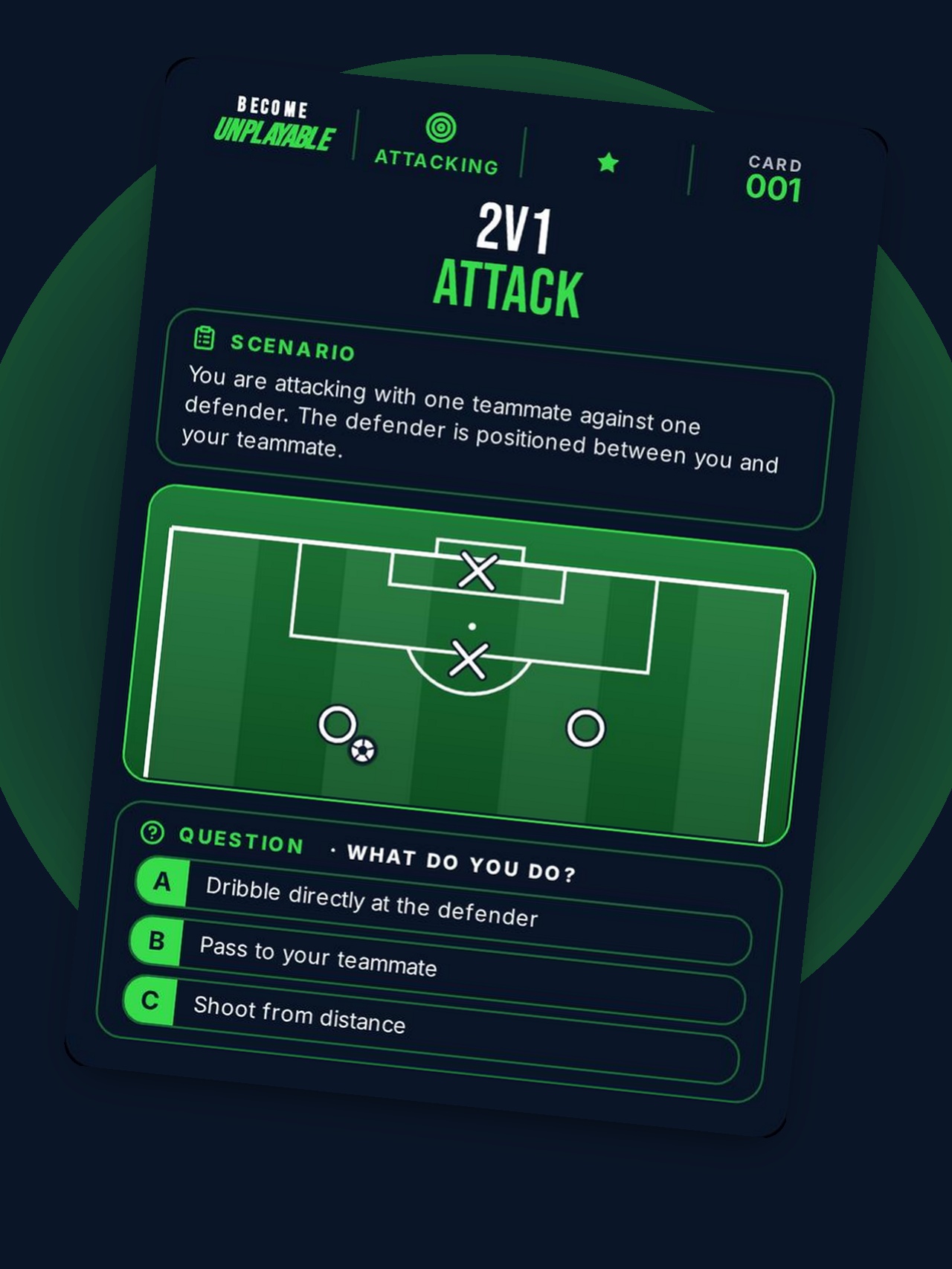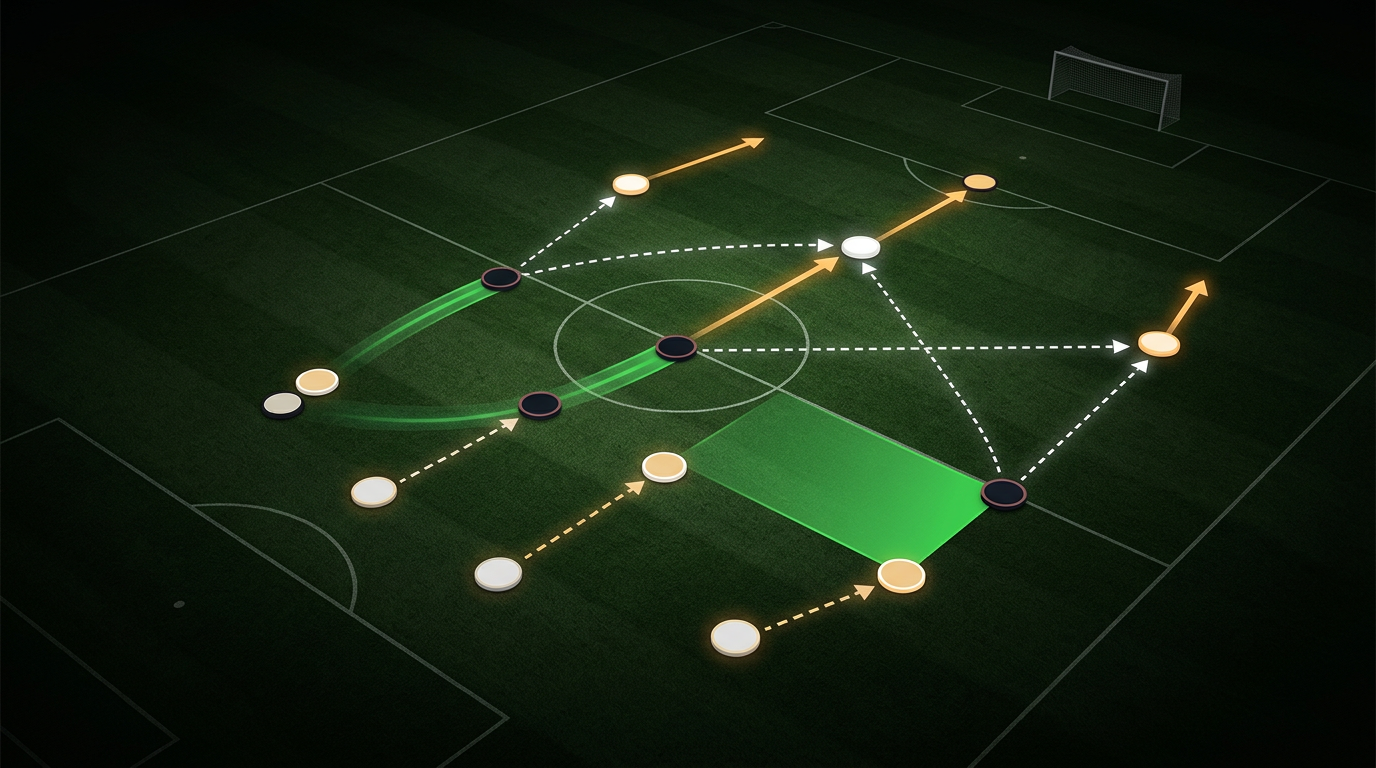
We’ve all seen it from the touchline. Your child’s team is pushing forward, a lovely attacking move developing, and then – poof – the ball is gone. The opposition has it, and they’re off, racing towards your goal. But wait, where’s your child? They’re still up the pitch, perhaps near the opposition’s penalty area, watching the play unfold far away from them.
It can be frustrating to watch, and we might instinctively think, 'Why aren't they running back?' But for young players, that moment when possession is lost is a dizzying one, full of conflicting thoughts and instincts that aren't always obvious to us adults.
The Attacker's Mindset
When a child is attacking, their entire focus is usually forward. They're looking for passes, dribbling opportunities, or a chance to shoot. Their brain is processing a lot of information – where are my teammates? Where are the defenders? How can I get past this person? When the ball is suddenly turned over, it’s like hitting a mental wall. Their 'attack' mode doesn't instantly switch to 'defend' mode.
It's not that they don't care; it's that the transition requires a swift change in thinking and physical effort. They might still be thinking about what went wrong with the attack, or perhaps anticipating their teammates winning the ball back quickly.
The Challenge of Effort and Distance
Imagine running at full tilt towards one goal, and then suddenly having to turn and sprint just as hard in the opposite direction. It’s physically demanding, especially for children who might not have the stamina of older players. They've just exerted energy to get forward, and now they're being asked to do it again, just to get back into a defensive position. The sheer distance can feel overwhelming.
Sometimes, too, a child might look up and see their teammates already running back, or see the opposition well on their way to goal. In that instant, they might think, 'What’s the point? I won’t get there in time,' which can lead to a pause or a slower jog rather than a full-out recovery sprint.
Pressing vs. Recovering: A Quick Decision
Another factor is the idea of 'pressing.' Sometimes, a player is taught to try and win the ball back immediately if it's lost nearby. This can be a very effective tactic, but it requires a quick assessment: Am I close enough? Do I have support? If they decide to press, and it doesn't work, they've now spent more energy and are even further away from their defensive duties.
When they’re caught high, the 'press' option often isn't the best one. But in the heat of the moment, with the game moving so fast, making that clear-headed decision to sprint back rather than attempt a hopeful tackle isn't always easy. For a child, the impulse to 'go for the ball' can sometimes override the more strategic decision to recover position.