It’s a common sight on a Sunday morning pitch: a striker receives the ball, maybe a bit heavy, with their back to the opposition goal. Immediately, a defender is right there, marking them tightly. Your child is nearby, watching. What do they do next? Do they charge forward, expecting a pass? Do they hang back? Or do they try to get into a position that seems helpful?
This moment, which can seem so straightforward from the touchline, is actually a complex puzzle for a young player to solve in a split second. They’re trying to help a teammate, keep possession, and ideally, move the team closer to scoring, all while juggling their own position and what they perceive as the next best step.
The Pressure Cooker of a Tight Situation
Imagine your child's teammate has the ball with a defender right on their back. For the player with the ball, options feel limited. They can’t see the goal, they can’t turn easily, and they’re under immediate pressure. They're looking for an outlet, a safe pass to relieve that pressure and keep the ball moving.
This moment puts a lot of pressure on the supporting players as well. They know their teammate needs help, but how do they provide it effectively? Should they get as close as possible? Should they try to run past and create space? The speed of the game, the movement of other players, and the natural instinct to 'do something' all contribute to the challenge.
Why Getting an Angle is Easier Said Than Done
From a parent's perspective, it often seems obvious to “just move into space.” But for a child, finding that perfect supporting angle is far from simple. They might instinctively want to run directly towards the ball, thinking they’re offering the closest help. Or they might run past, hoping for a through ball that might never come.
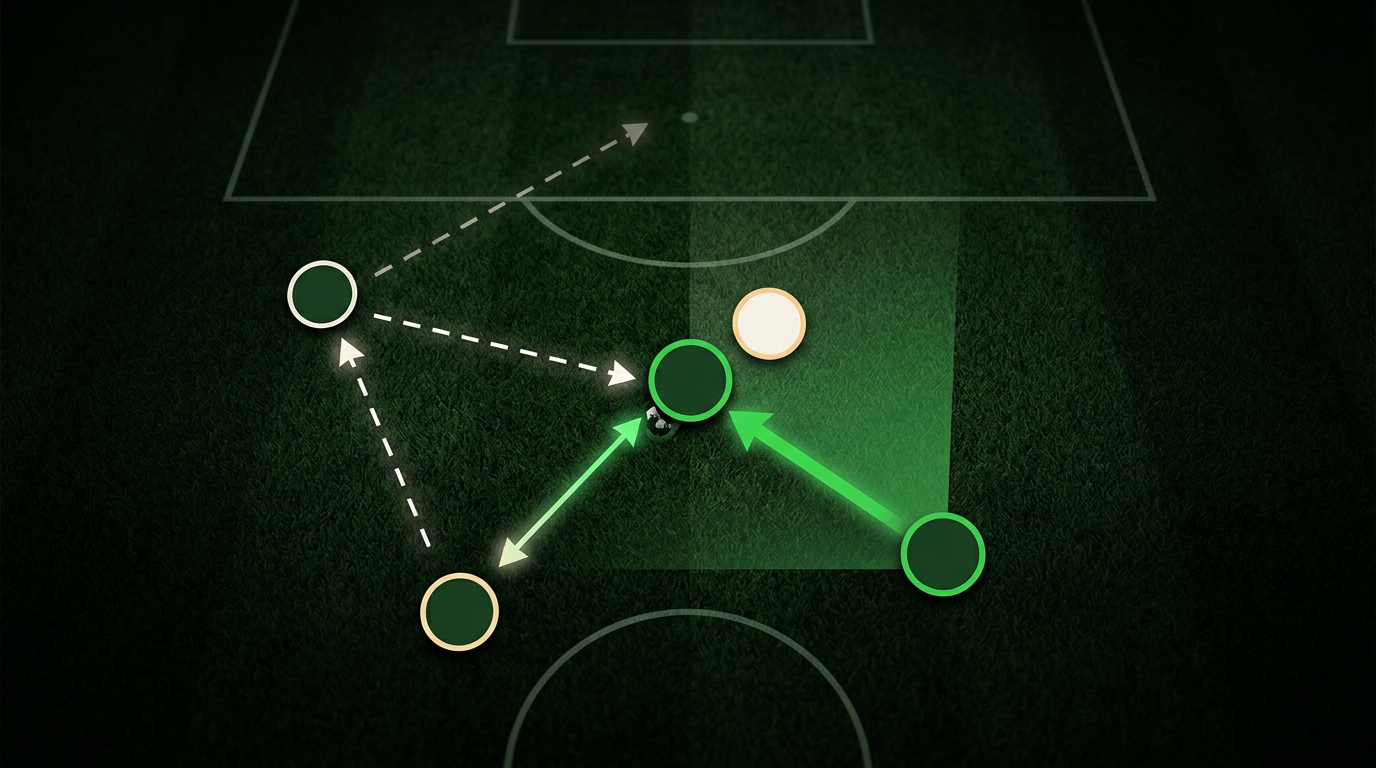
The key is often creating an angled pass, allowing the player with the ball to see their teammate and play a relatively simple pass without turning. This angled position also helps them receive the ball facing forward, ready to attack. However, creating this angle requires understanding space, anticipating movement, and having the courage to move away from the ball slightly to create a better option, which isn't always a child's first thought.
What They See (or Don't See)
Young players are often very focused on the ball itself. Their vision tends to be narrow, especially when the game speed picks up. When their teammate is struggling with a defender, their instinct might be to focus solely on that interaction rather than scanning the wider area for available space.
What they miss is the bigger picture: where their own defenders are, where the space is opening up, and where an opponent might be lurking to intercept. They're processing a lot of information in a very short time, and prioritising creating a safe, angled passing option for a pressured teammate can be a sophisticated thought process for a young mind under pressure.