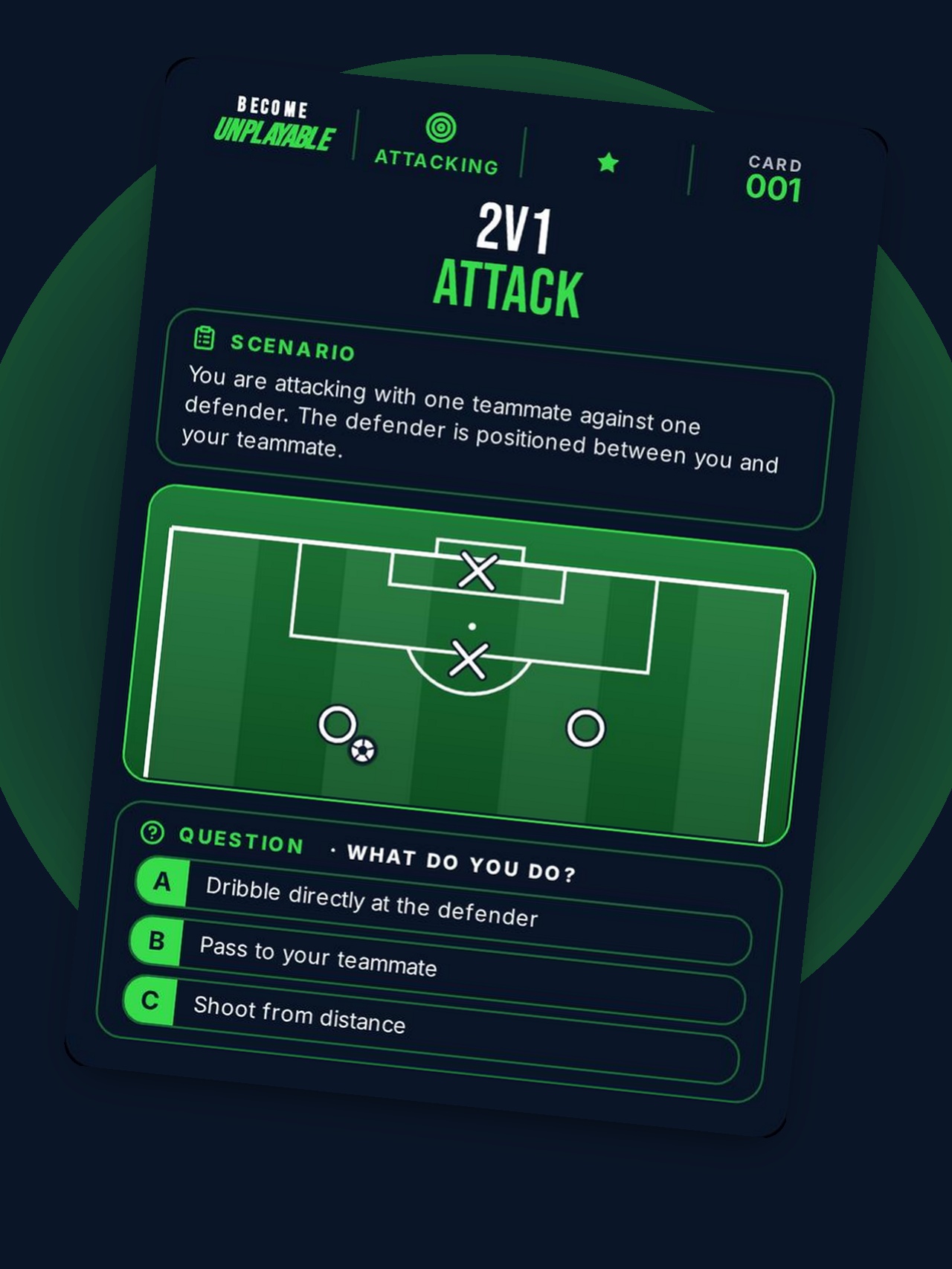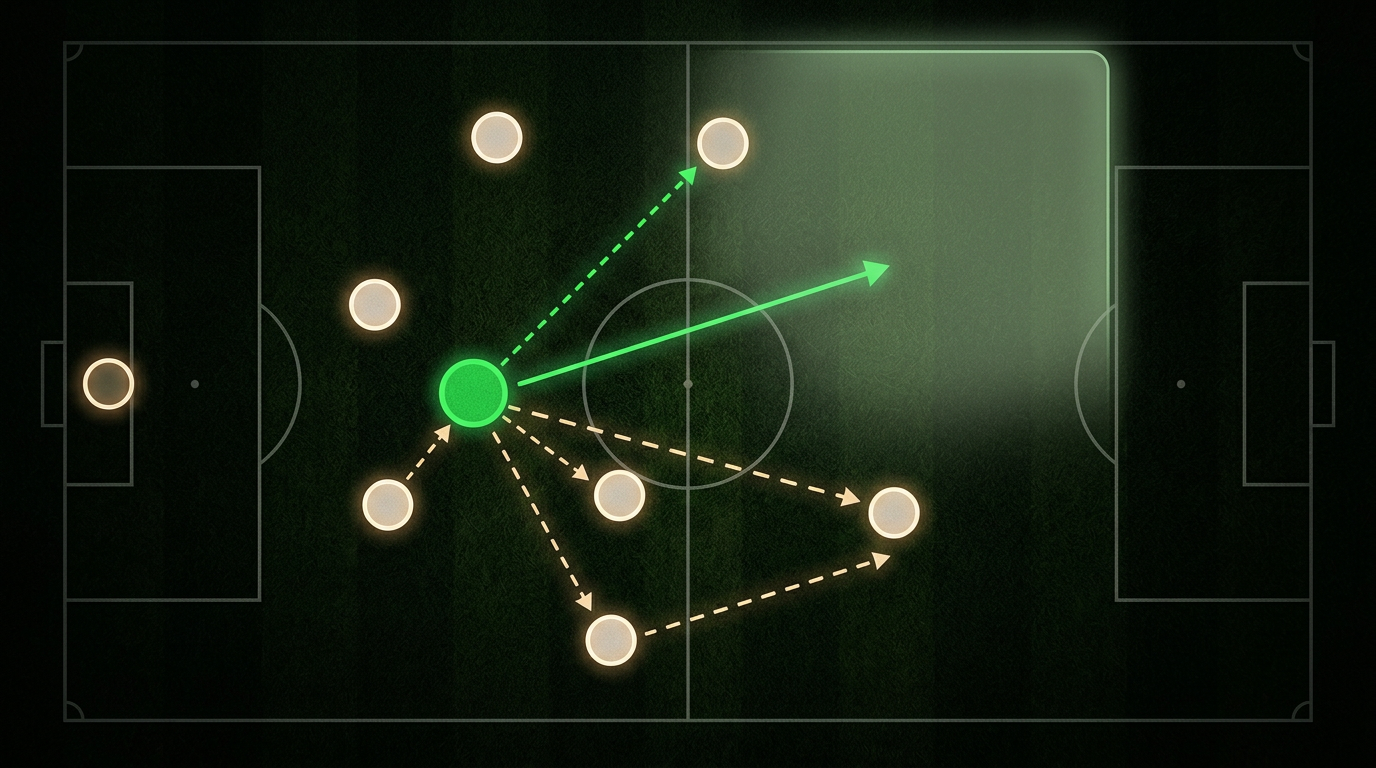
We’ve all been there, watching from the touchline as our child gets the ball. There’s a lovely gap opening up in front of them, an open invitation to run into, to make something happen. From our vantage point, it looks so clear, so obvious. Yet, more often than not, they might pass it early, or even hold onto it a moment too long, letting the defenders close in.
It’s a common moment in youth football, and it’s not because they’re not trying. It’s a glimpse into the complex world they’re processing on the pitch, a world far more crowded and confusing than the one we see from the sidelines.
The Pitch as a Sensory Overload
Imagine being seven or eight years old, with the ball at your feet. Your vision is naturally narrower than an adult's, and the world is moving fast. You're trying to control the ball, keep an eye on the opponents, listen to the coach, maybe even hear a shout from a teammate. That 'empty' space we see is just one of many, many things vying for their attention. It might not even register as 'empty' if their focus is elsewhere, like on an opponent just behind them or a teammate further up the pitch.
Add to that the pressure of the moment. With an opponent potentially closing in, the instinct can be to get rid of the ball quickly, to pass it on, even if a better option is to carry it themselves. It’s a protective instinct, born from not wanting to lose possession or make a mistake.
The Challenge of Looking Up
We often hear coaches tell players to 'look up!' But that’s easier said than done, especially when you’re still developing control of the ball. For many young players, keeping the ball close means looking down at their feet. This isn't a failure, it's a developmental stage. It takes time and practice for a player to be comfortable enough with the ball to lift their head, scan the pitch, and then process what they see – all while continuing to move.
That space ahead, which seems so obvious to us, might only become visible to a child once they’ve mastered more basic ball control and can free up their eyes to take in the bigger picture. Until then, their world on the pitch is often a much smaller, more immediate one.
Why Movement and Decision-Making are Linked
When a child gets the ball and has space in front, deciding to run into it isn't just about spotting the gap. It's also about having the confidence and ability to dribble effectively into that space, knowing they can keep the ball under control and protect it if an opponent comes near. If they're not fully confident in their dribbling, a pass can feel like a safer, more reliable option.
It’s a gradual process. Over time, as their comfort with the ball grows, so does their ability to look up, see options, and make more adventurous decisions. They learn when to take on a player, when to pass, and critically, when to drive into open space to make the defenders react to them.