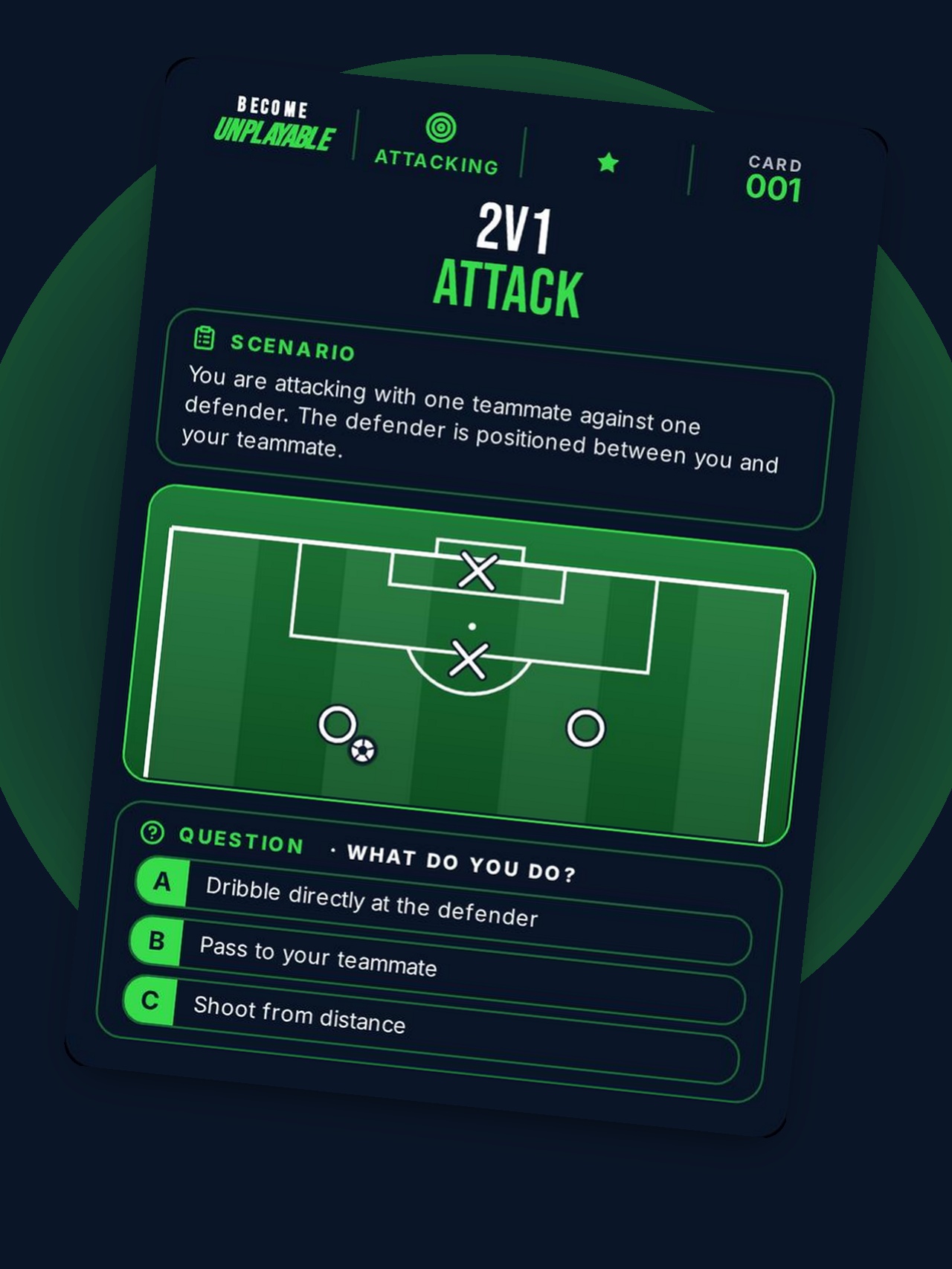
It’s a common sight on a Sunday morning. An opposing player is dribbling, maybe with a bit of pace, heading towards the edge of your team's penalty area. From the touchline, it might look straightforward: just tackle them! But for a young player in the thick of it, with their heart pounding, trying to work out what the attacker is going to do next, it’s a moment packed with split-second decisions.
Every young defender wants to protect their goal, naturally. But doing that effectively means more than just kicking the ball away. It involves thinking about space, about where the danger truly lies, and sometimes, about guiding the opponent to a less threatening area on the pitch. This often means trying to 'show' them out wide, towards the touchline.
The Instinct to Go Straight for the Ball
When a child first starts playing, their focus is often entirely on the ball. If an opponent has it, the immediate thought is to win it back, often by diving in for a tackle. This is a natural, brave response. However, it can sometimes leave the middle of the pitch exposed, especially if the tackle is missed, giving the attacker a clear run towards goal or an easy pass to a teammate in a dangerous position.
Even with a teammate nearby, the instinct to engage directly with the ball can be overpowering. It’s hard to resist trying to be the hero who wins it back, even if a more patient approach might be better for the team.
Why the Middle Is "No Go" Territory
Picture the goal. Where does a shot have the best chance of going in? Usually from directly in front, or close to it. The middle of the pitch, especially as you get closer to the penalty area, offers the best angles for shooting and the best lines for passing to other attackers. This is why defenders are often encouraged to 'protect the middle'.
For a young player, understanding this isn't always obvious. They might see the attacker with the ball as the sole threat, rather than thinking about the bigger picture of where that attacker is being allowed to go, and what that opens up for their team.
The Challenge of Guiding an Attacker
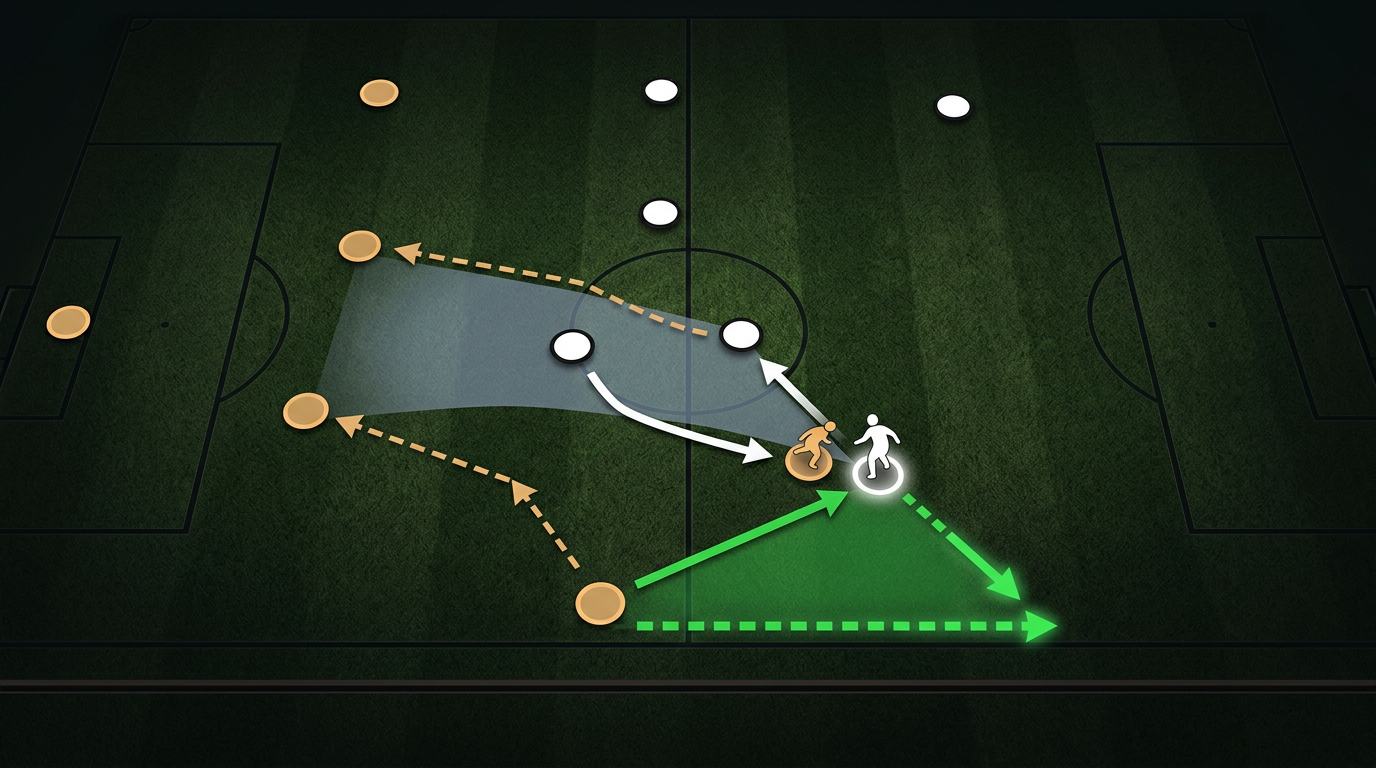
So, if 'protecting the middle' is the aim, defenders often try to manipulate the attacker into moving towards the touchline. This is called 'showing them outside'. It reduces their shooting angles, makes crossing the ball harder, and generally funnels them into an area where they're less dangerous.
But this takes real communication and awareness. If your child is the first defender, they need to apply pressure but also position their body in a way that encourages the attacker to go wide, knowing a teammate is there to cover the central space. It's a subtle art, balancing pressure with intelligent positioning, and it’s something that develops with lots of practice and games.