We’ve all seen it: your child’s team is defending, the opposition player receives the ball with their back to goal near the edge of the box. From the touchline, it looks like a perfect chance to nick the ball, to make that heroic tackle. But sometimes, your child doesn't go for it. Instead, they might hold their ground, or even just nudge the player so they have to pass it back. It can feel a bit anti-climactic, can’t it? Like a missed opportunity.
What’s going through their mind in those split seconds? Why would they not try to win the ball when it seems right there for the taking? It’s a common moment in youth football, and understanding the thinking behind it can really change how we see those defensive plays.
The Allure of Winning the Ball
For a young player, winning the ball often feels like the ultimate prize. It's immediate, it's visible, and it's what they're often praised for. When an attacker is facing away from goal, it presents a tempting target. There's a natural instinct to try and get around them, to hook a foot in, to come away with possession. It feels like a quick route to glory, a chance to turn defence into attack in an instant.
However, this moment can be quite deceptive. Attacking players are often stronger than they look, or very good at shielding the ball. A lunge or an over-eager challenge can easily lead to being spun, or giving away a free-kick in a dangerous area. What seems like a clear opportunity can quickly turn into a problem.
The Risk-Reward Calculation
Children are constantly, if unknowingly, making risk-reward calculations on the pitch. In a situation where an attacker has their back to goal, the 'reward' of winning the ball is high, but so is the 'risk' of getting beaten and leaving a clear path to goal.
From a child's perspective, they might be weighing up their own physical strength against the attacker's, or remembering a time they tried to win the ball in a similar situation and it didn't work out. They might also be acutely aware of what happens if they miss the tackle – the coach's look, the parent's sigh, the feeling of letting the team down. Sometimes, the safer option feels like the smarter one, even if it’s less flashy.
Understanding 'Forcing Backwards'
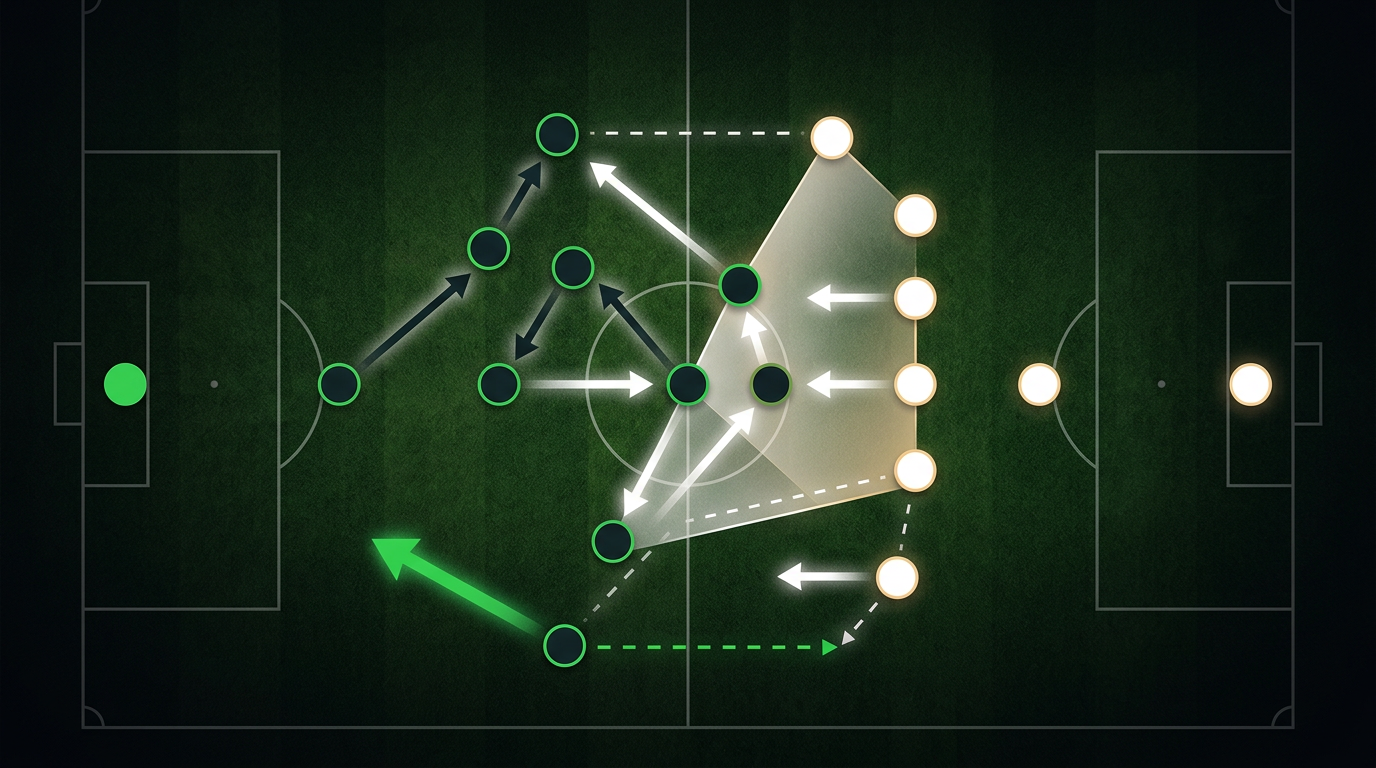
When your child puts pressure on an attacker with their back to goal, but doesn't try to win the ball directly, they might be trying to 'force them backwards'. This means making it really difficult for the attacker to turn or play forwards, leaving them with only one real option: pass the ball back to their own defence or midfield.
While it doesn't result in winning the ball, it's a huge win for the defending team. It buys time for teammates to get back into position, reorganise, and reset their defensive shape. It defuses the immediate danger without giving away a foul or letting the attacker turn and shoot. It’s a mature decision that shows an understanding of how to manage a dangerous situation, even if it doesn't always look like the most exciting play.