Picture this: the opposition player has just picked up the ball and is heading straight for your team's goal. Your child, playing in defence, is scrambling back, the closest one to that attacker. You hold your breath. Will they dive in? Will they foul? Or will they somehow manage to shepherd the player away?
It's a common moment in any youth match, filled with pressure and split-second decisions. What looks like a simple defensive task from the touchline can feel like an impossible puzzle for a young player in the thick of it.
The Instinct to 'Get the Ball!'
From a young age, children are encouraged to 'get stuck in' and win the ball. This is a fundamental part of the game. So, when an attacker is bearing down on goal, a child's natural instinct is often to try and win the ball back immediately. They might see the ball as the only thing that matters, and stopping the attacker means getting that ball. This can lead to them diving in, sometimes from an angle that leaves them exposed if they miss.
It’s a brave impulse, but sometimes, the quickest way to the ball isn't the safest way to defend the goal. That moment of hesitation or commitment is where the learning happens.
Understanding 'Dangerous Space' on the Pitch
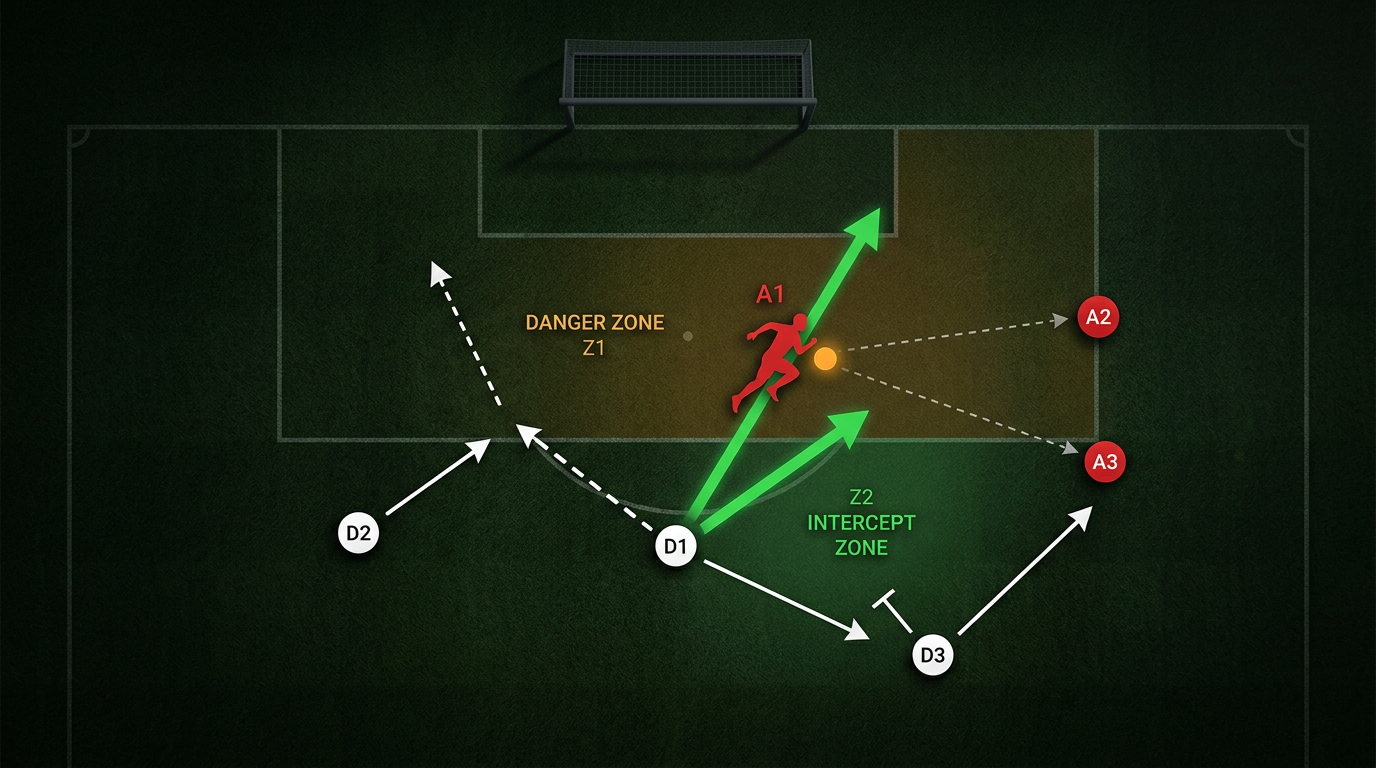
When we talk about 'staying goal side', what we really mean is protecting the most dangerous part of the pitch: the central area directly in front of the goal. For a young defender, understanding this concept takes time and experience. They might be so focused on the player or the ball that they lose sight of the bigger picture – the goal itself.
Imagine running backward, trying to keep an eye on a quick attacker, the ball, and your own goal. It's a lot for a developing mind to process simultaneously. They're trying to calculate speed, angles, and where the most threat lies, all in a fraction of a second. This is why sometimes, they might seem to run alongside an attacker rather than stepping across them – they're trying to keep their body between the goal and the opponent, even if it doesn't look like they're trying to win the ball immediately.
Why Delaying Can Be Difficult
Another challenge for young defenders is the idea of 'jockeying' – staying on their feet, slowing the attacker down, and waiting for support or for the attacker to make a mistake. This requires patience and discipline, qualities that are still developing in children. The urge to act, to do something decisive, is often very strong.
Delaying can feel passive or less 'heroic' than a crunching tackle. But often, it's the smartest defensive play, buying time and maintaining a protective screen. This strategic thinking evolves as children play more matches and experience these situations repeatedly.