You know the feeling on the touchline. Your child's team has just bundled the ball over the line to go 2-1 up, parents are clapping, coats are being zipped back up, and high-fives are being traded across the pitch. Yet before the smiles have even faded, the referee blows the whistle, the opposition takes a quick kick-off, and suddenly there is panic. Three passes later, the ball is nestling in the back of your own net.
It happens at every level of football, but on a damp Sunday morning in youth matches, it happens constantly. Why is it that the moment of greatest celebration so frequently turns into a moment of complete vulnerability?
The emotional surge and the mental switch-off
Scoring a goal creates a massive spike in adrenaline. For a child, that surge of joy takes over completely. Their attention narrows to their teammates, their celebration, and the pride of taking the lead. What naturally follows that spike, almost immediately, is a temporary dip in focus.
While adults watching from the line can clearly see the referee standing on the centre spot waiting to blow the whistle, children are still absorbing the emotional high. Their brain takes several seconds to reset from 'we just did something brilliant' back to 'we have to defend right now'. In those few seconds of delayed awareness, the opposition is usually fired up, eager to restart quickly and catch everyone off guard.
The dilemma between chasing the ball and protecting space
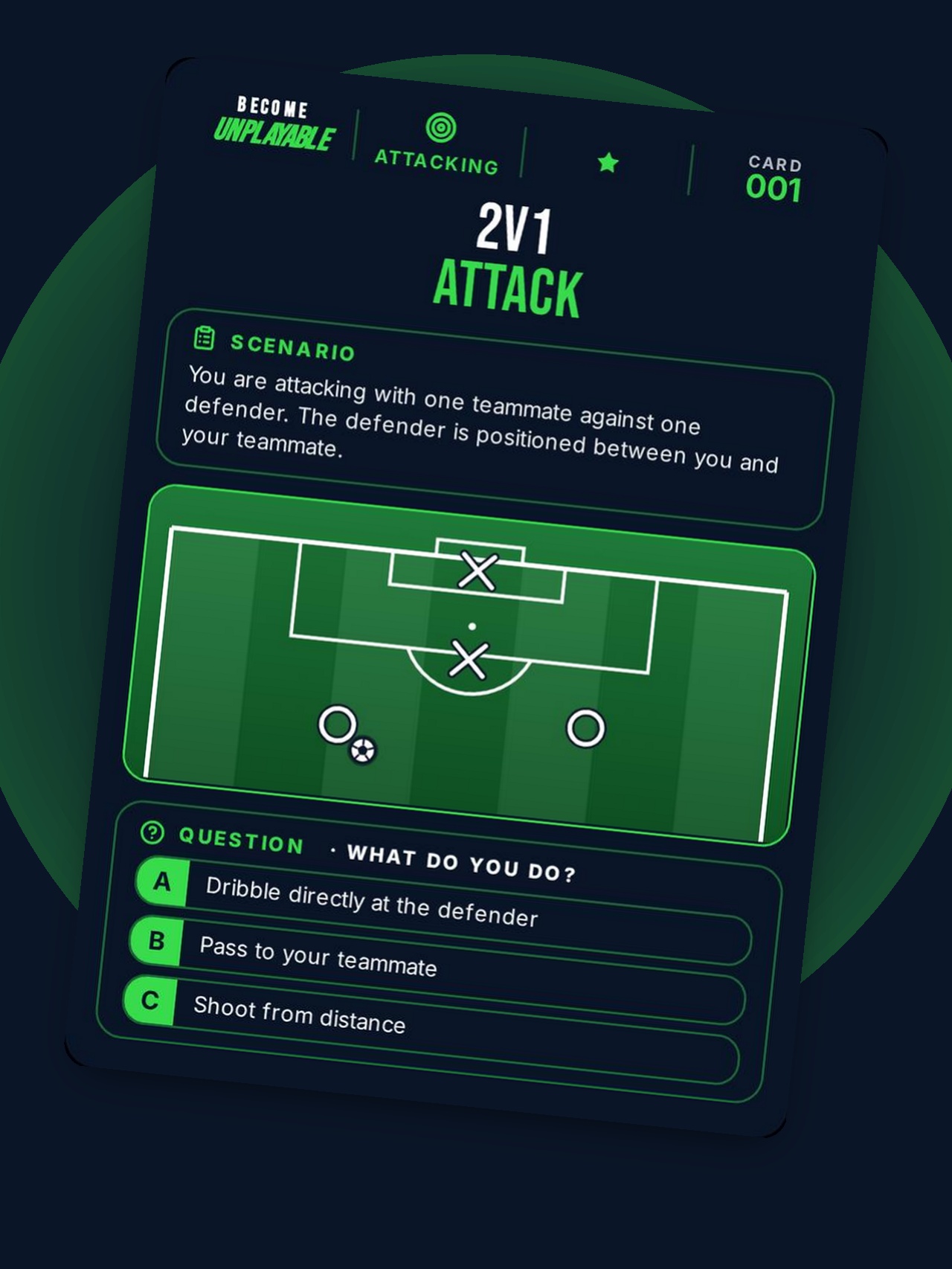
When the opposition restarts quickly, young midfielders are suddenly caught in no-man's-land. Often, one eager teammate will instinctively charge forward to press the ball all by themselves. Now your child has a split-second dilemma.
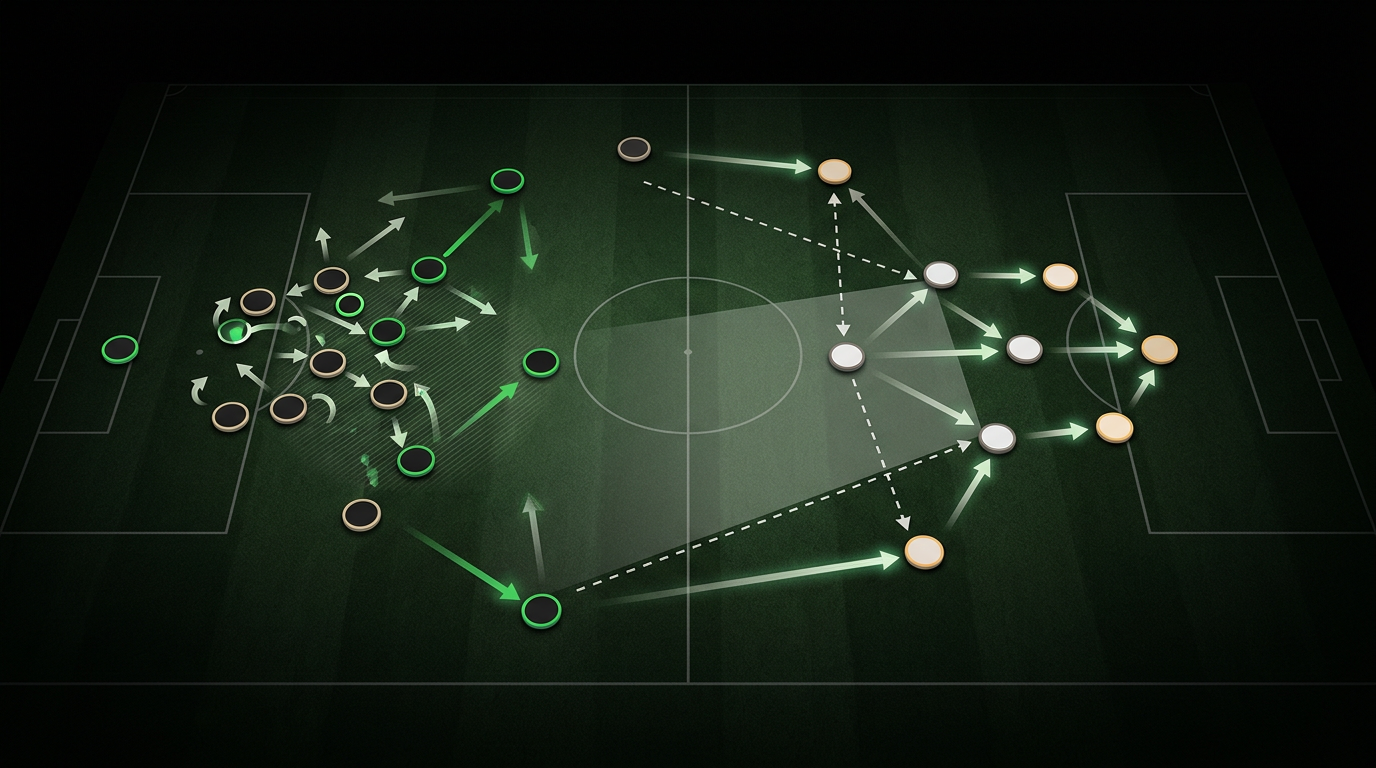
Do they dash forward to back up their friend, hoping to win the ball back high up the pitch? Do they retreat towards their defenders to plug the gaps behind them? Or do they stay high, thinking that if the team wins it back, they will be in the perfect position to score again? None of these thoughts come from a bad place. They are all natural instincts, but because children process these choices individually rather than as a unit, the team becomes stretched.
Why collective game management takes years to develop
As adults, we talk about game management as if it were common sense. We think: you have just scored, calm down, get organised, and let the dust settle. But reading the flow of a match requires a level of big-picture awareness that young brains are still building.
A ten-year-old tends to react to what is right in front of them: the rolling ball, the opponent nearest to them, or the teammate shouting for help. Seeing the whole board and recognising that the team's shape is broken requires experience, calm communication, and emotional control. Until those habits settle, the minute after a goal will always feel a little chaotic.