Picture this: the whistle blows, the match is underway, and your child's team is pushing forward. A teammate has the ball, perhaps dribbling it carefully up the wing. And there's your child, not far away, perhaps even standing just a few steps from their teammate. It looks like they want to help, to be involved. But sometimes, from the touchline, it can seem like they're a bit too close, almost making things harder.
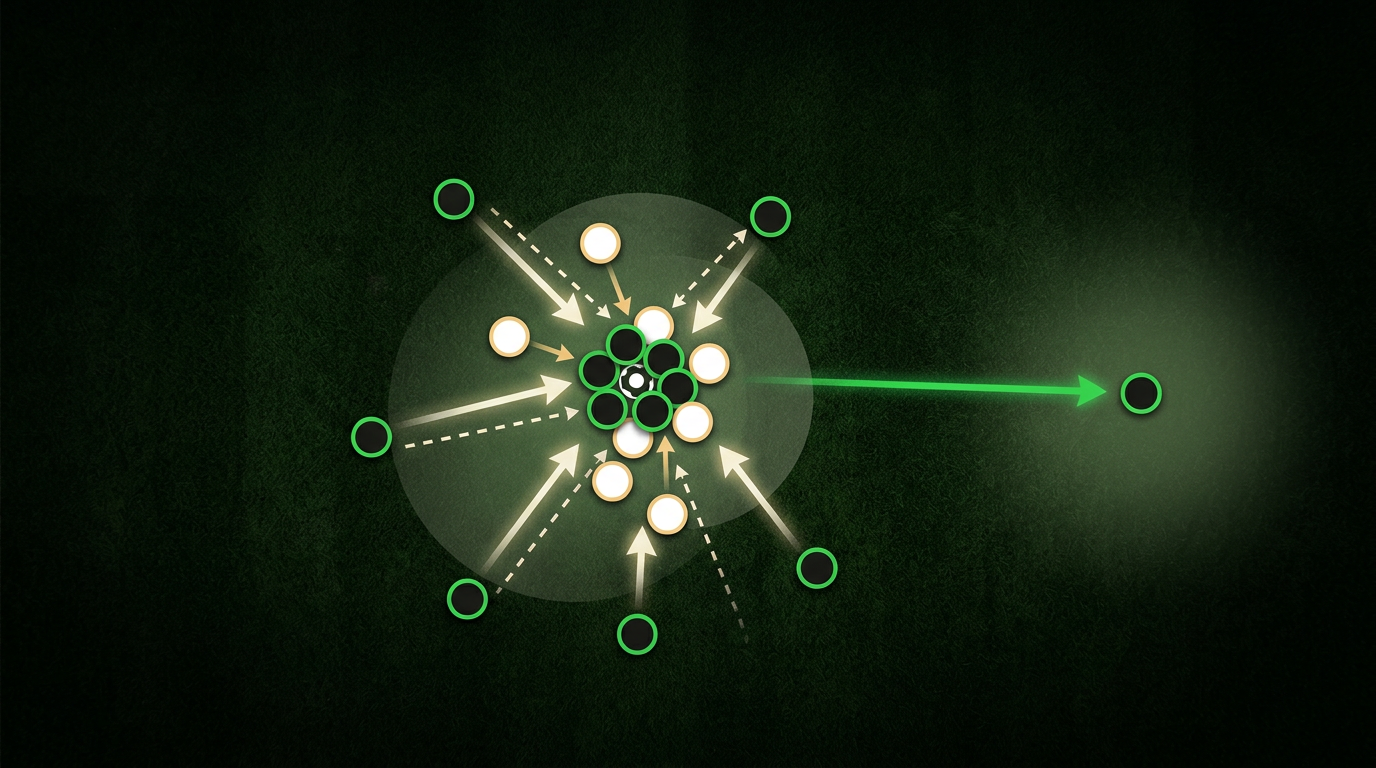
This 'bunching up' or 'standing close' isn't unique to your child's team. It's a natural part of how young players learn and understand the game. What might seem like a simple decision for an adult is often a complex problem for a young mind in the heat of the moment.
The Instinct to Be Near the Action
For many young players, the ball is the most exciting thing on the pitch. It's where the action is, where goals are scored, and where they feel they can contribute. So, when a teammate has the ball, the natural instinct is often to get closer to it. They want to be involved, to offer support, or maybe even to get a pass.
They're not trying to crowd out their teammate; they're trying to be available. But what they might not realise yet is that being 'available' sometimes means creating space, not just reducing distance. It's a subtle but significant difference that comes with experience.
Seeing the Whole Picture is Hard
When your child is on the pitch, their field of vision is very different from yours on the touchline. Their focus might be intensely on the ball, or on the player dribbling it, or perhaps on the immediate defender. It's incredibly difficult for them to process where all the other players are, both teammates and opponents, and then also consider where the 'best' space might be.
When they're standing right next to a teammate with the ball, it's often because they haven't yet learned to 'scan' the pitch or anticipate how their movement could open up possibilities for the team. For them, they're simply close by, ready if called upon.
The Challenge of Creating Options
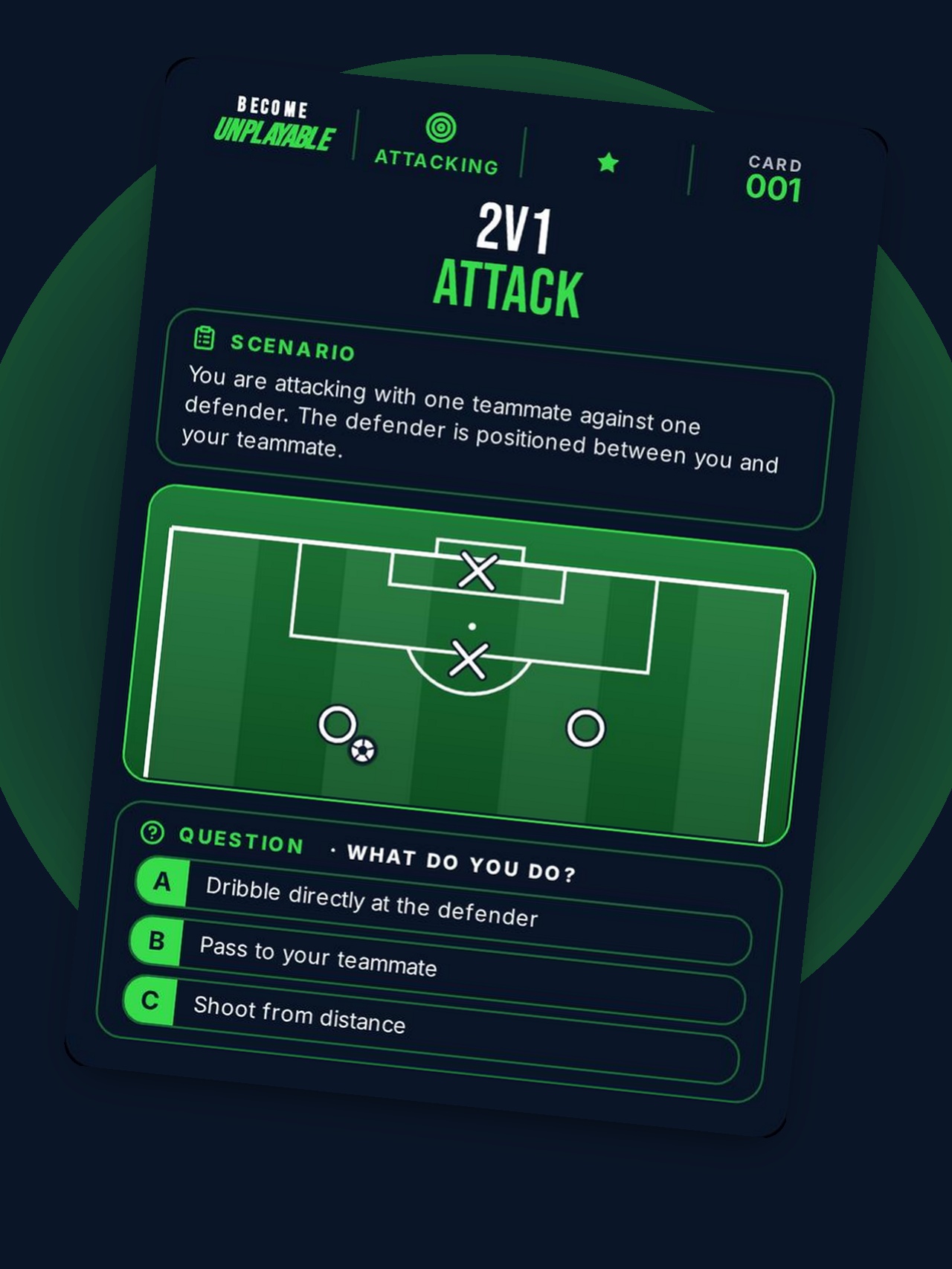
If two players are side-by-side, it makes it easier for just one opposing player to mark both of them. It's a bit like two birds with one stone for the defender. Your child might genuinely believe they are creating an option for their teammate by being nearby, perhaps even thinking a quick one-two pass is on.
What's often missed is the idea that moving away, creating a wider passing lane, or drawing a defender out of position, can actually be a far more valuable 'option' for the teammate on the ball. This kind of abstract thinking and spatial awareness develops over time, with practice and understanding.