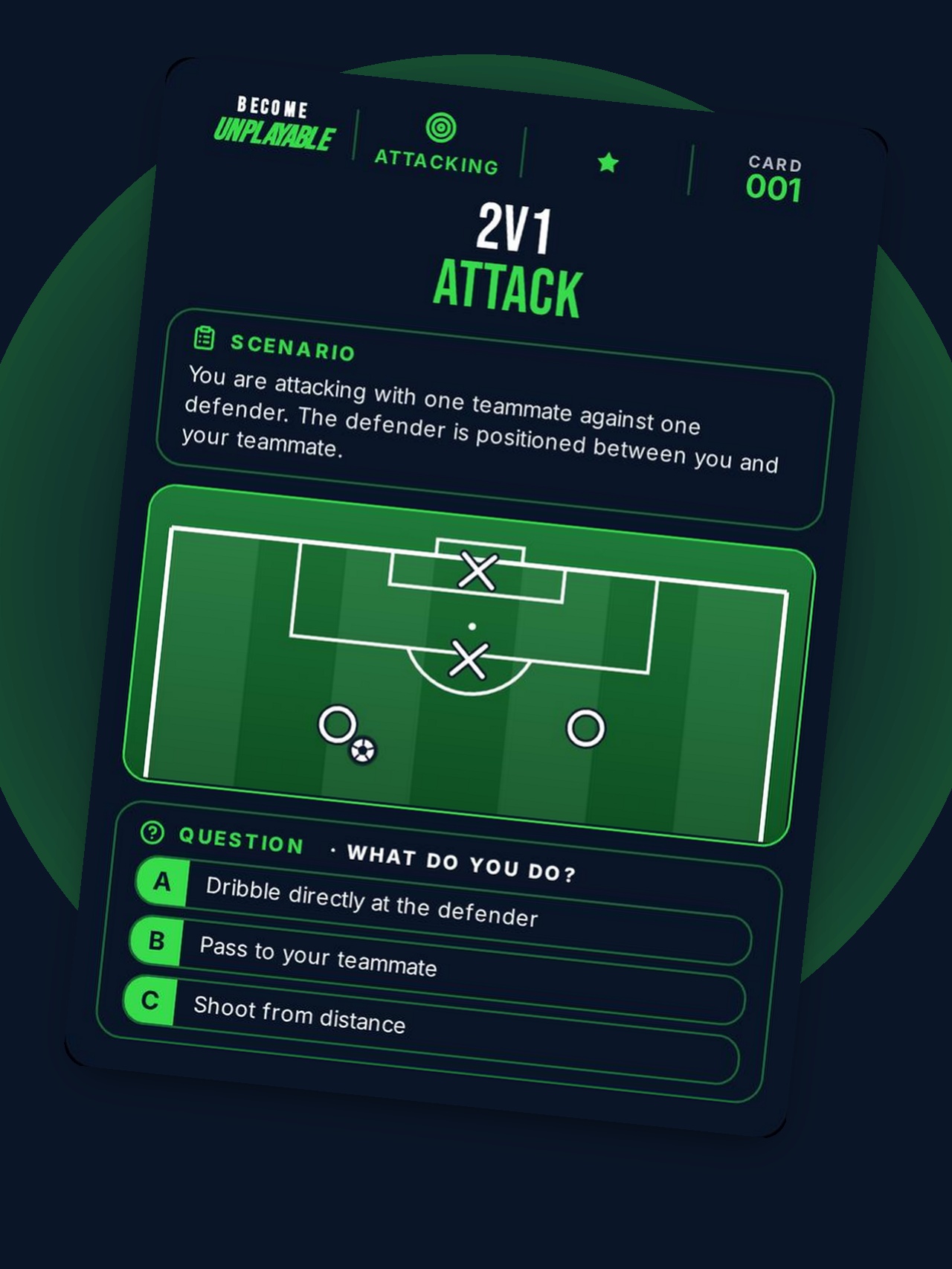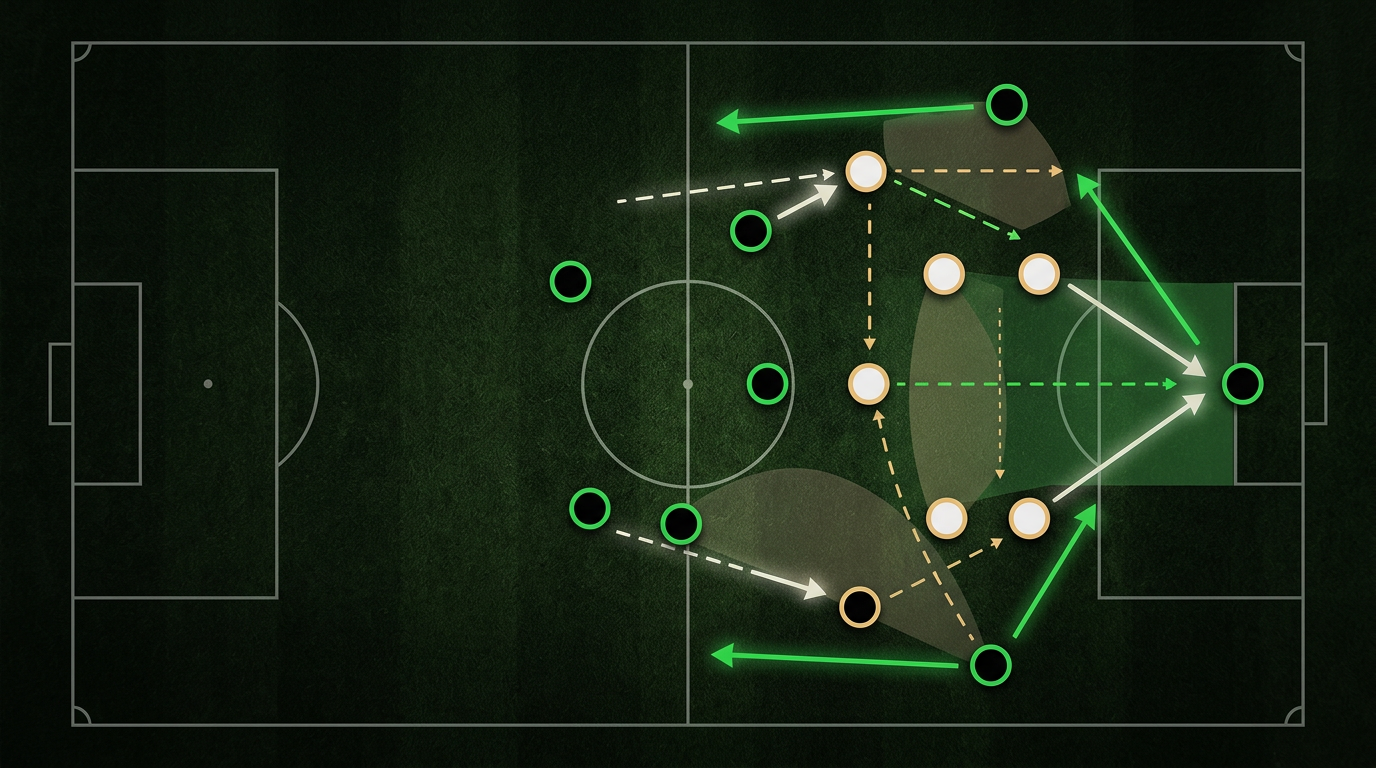
Picture this: Sunday morning, pouring rain, your child has just burst through the last defender. The keeper is stranded. It’s an open goal. From your vantage point on the touchline, it seems like a straightforward tap-in. The crowd holds its breath. But then, for reasons that aren’t immediately obvious, the chance goes begging. Perhaps a last-ditch tackle comes in, or the shot sails wide, or the moment is simply lost.
As parents, we might wonder, “What happened there? Why didn’t they just shoot?” It looks so simple to us, but for a young player in the heat of the moment, an 'open goal' is often anything but.
The Pressure of the Perfect Moment
When a young player finds themselves with what seems like an open goal, it's not just about hitting the ball. It’s a moment charged with pressure. All eyes are on them, both their teammates and the opposition are reacting, and the simple act of putting the ball into the net suddenly becomes a huge mental hurdle.
They might feel the weight of expectation, not wanting to mess it up. This can lead to overthinking, tightening up, or trying to be too precise, rather than just reacting naturally. Sometimes, the 'perfect' shot is what they're searching for, and that search can be surprisingly distracting.
Reading the Whole Picture – Or Only Part of It
For an adult, an 'open goal' implies no keeper and no defenders. But a young player might still be processing other parts of the pitch. Their focus might still be on the defender they just beat, or they might briefly scan for a pass, even when shooting is the best option.
They might not have fully registered that the keeper is out of the picture, or that no defender is close enough to block. Their perception of the space and time available to them can be different from ours watching from the sidelines. What looks like an eternity to us is a split second decision for them.
The Urge to Hold On
Another common reaction is to 'wait' for a better angle, a clearer shot, or even for a teammate to arrive. This often comes from a desire to make absolutely sure they don't miss. But in football, especially near the goal, chances appear and disappear in a blink.
Holding on to the ball for just a second or two longer can give defenders time to recover, or for a block to be made. That initial 'open goal' can quickly become a much more difficult proposition. Taking a chance quickly, even if it's not 'perfect', is often the smarter play.