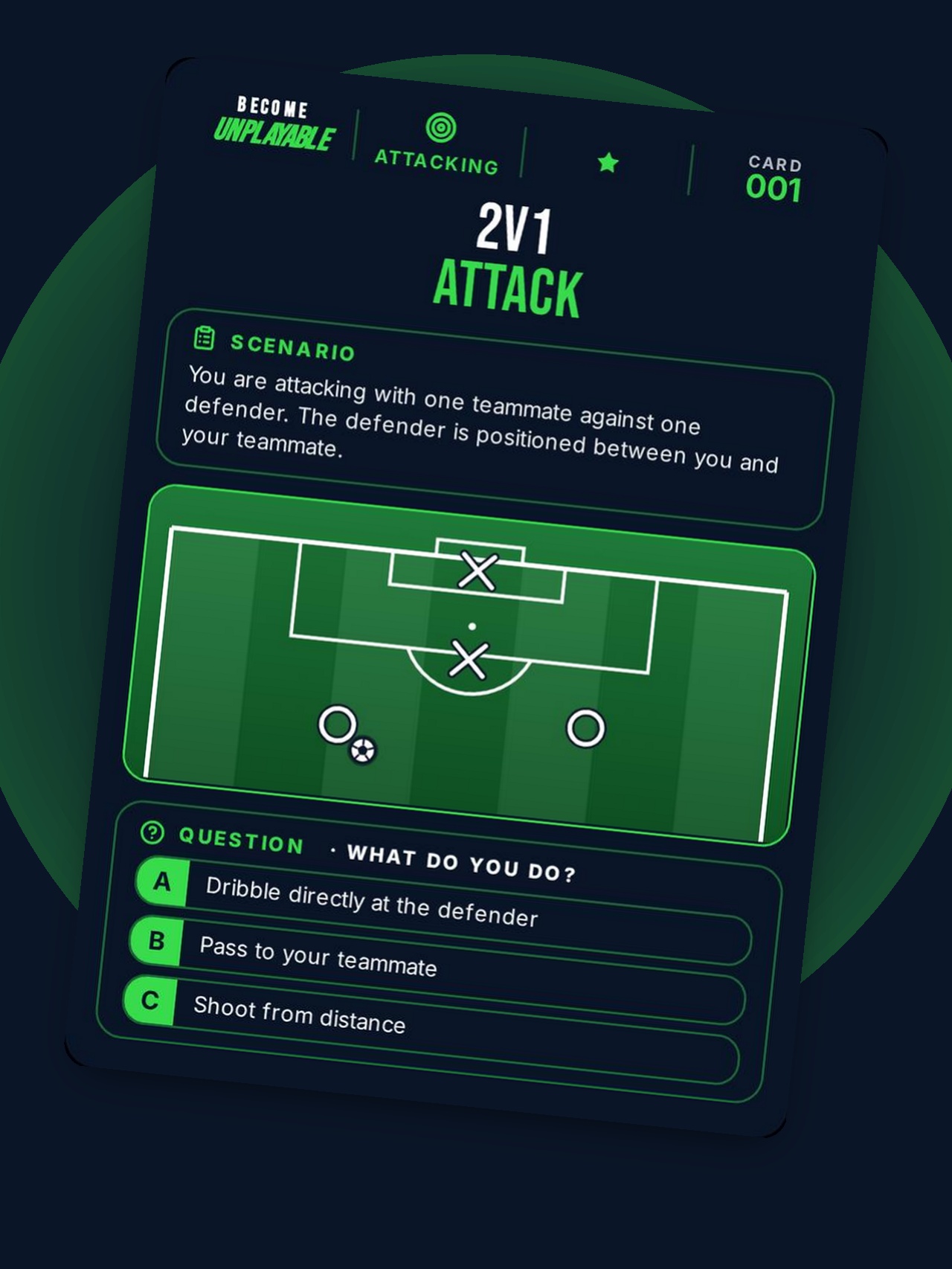
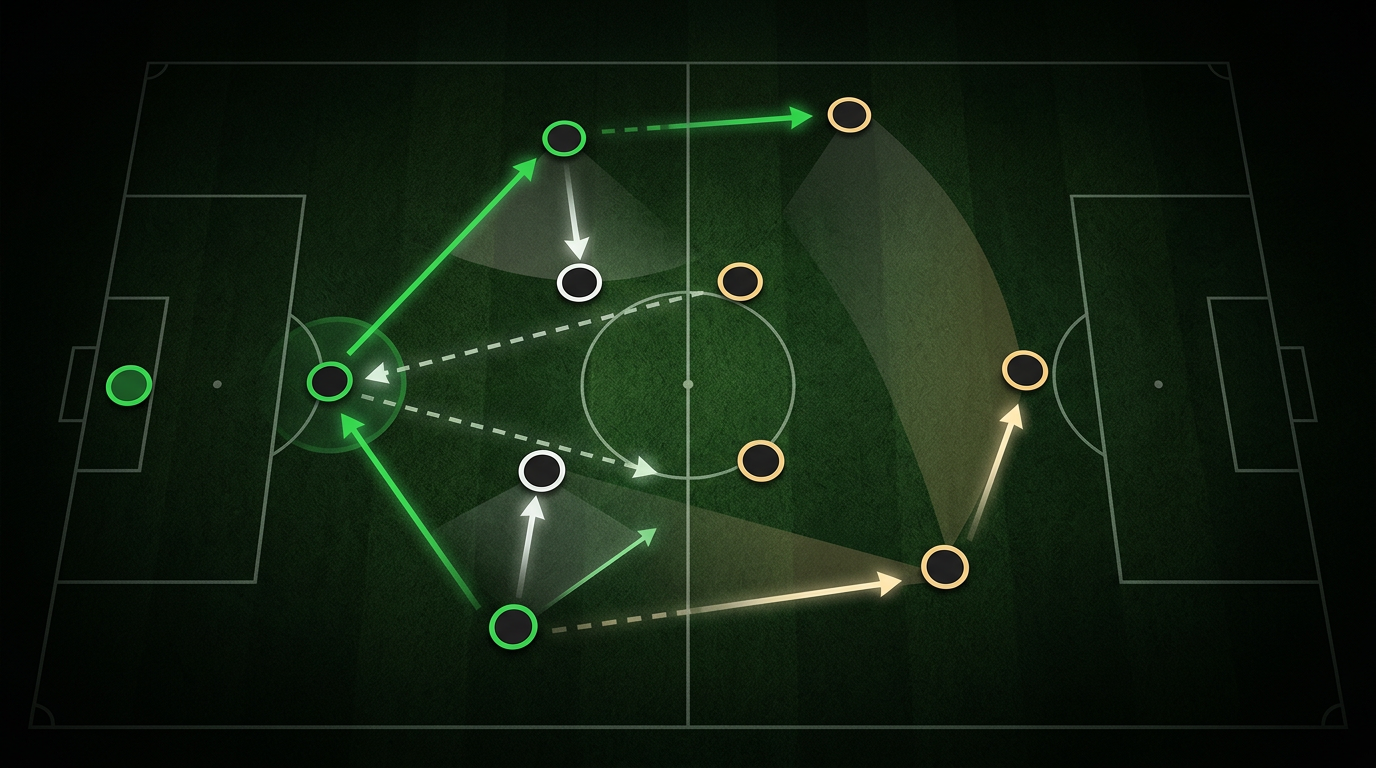
It’s a scene played out on pitches up and down the country every weekend: the opposition has possession, and you see two of your child’s teammates, perhaps caught up in the heat of the moment, converging on the ball. They’re both eager, both wanting to win it back, and both heading in the same direction. From your vantage point on the touchline, you might spot the wide-open space that’s been left behind, especially the path towards goal. It’s a natural moment for young players, full of energy and focus on the ball.
Your child is also on the pitch, witnessing this unfolding moment. What do they do? Do they join the chase, adding to the numbers around the ball? Or do they see something different? This particular scenario is a great window into how young minds process the game and the different pressures they feel.
The Allure of the Ball
For many young players, the ball is the most important thing on the pitch. It's the focus of the game, and rightly so. Their developing brains are wired to track movement, and the ball is the most dynamic, exciting object out there. When teammates are running towards it, there’s a natural instinct to join in, to be part of the action, to help win it back.
This isn’t a 'bad' instinct; it’s a strong desire to be involved and contribute. They might feel that if they don't go, they're not doing enough, or they're letting their team down. The concept of creating space, or protecting space, can feel much less immediate and tangible than actively engaging with the ball.
Seeing the Whole Picture (or Not Yet)
Watching a football match involves processing a huge amount of information: the ball, opponents, teammates, space, the goal. For younger children, their 'field of vision' in a tactical sense is often narrower. They might be very focused on the immediate vicinity of the ball, or on one or two teammates, rather than the entire width and depth of the pitch.
When two teammates rush towards the ball, a young player might not immediately register the consequence of that movement – the opening up of space elsewhere. Their brain is still learning to connect cause and effect across the whole pitch, particularly when under the pressure of a live match. It takes time and experience to build up that broader awareness.
The Challenge of Decision-Making Under Pressure
Imagine trying to make a quick decision about where to position yourself, while also keeping an eye on the ball, listening for shouts, and knowing you need to act fast. It's a lot for anyone, let alone a 9-year-old. When others are moving decisively towards the ball, it can feel like the 'correct' thing to do is follow suit.
Choosing to move away from the ball, to cover a space rather than challenge directly, requires a different kind of bravery and understanding. It means trusting that your contribution, though less visible, is just as vital. This understanding develops over many matches and through many different scenarios.