It's a familiar message for grassroots football parents.
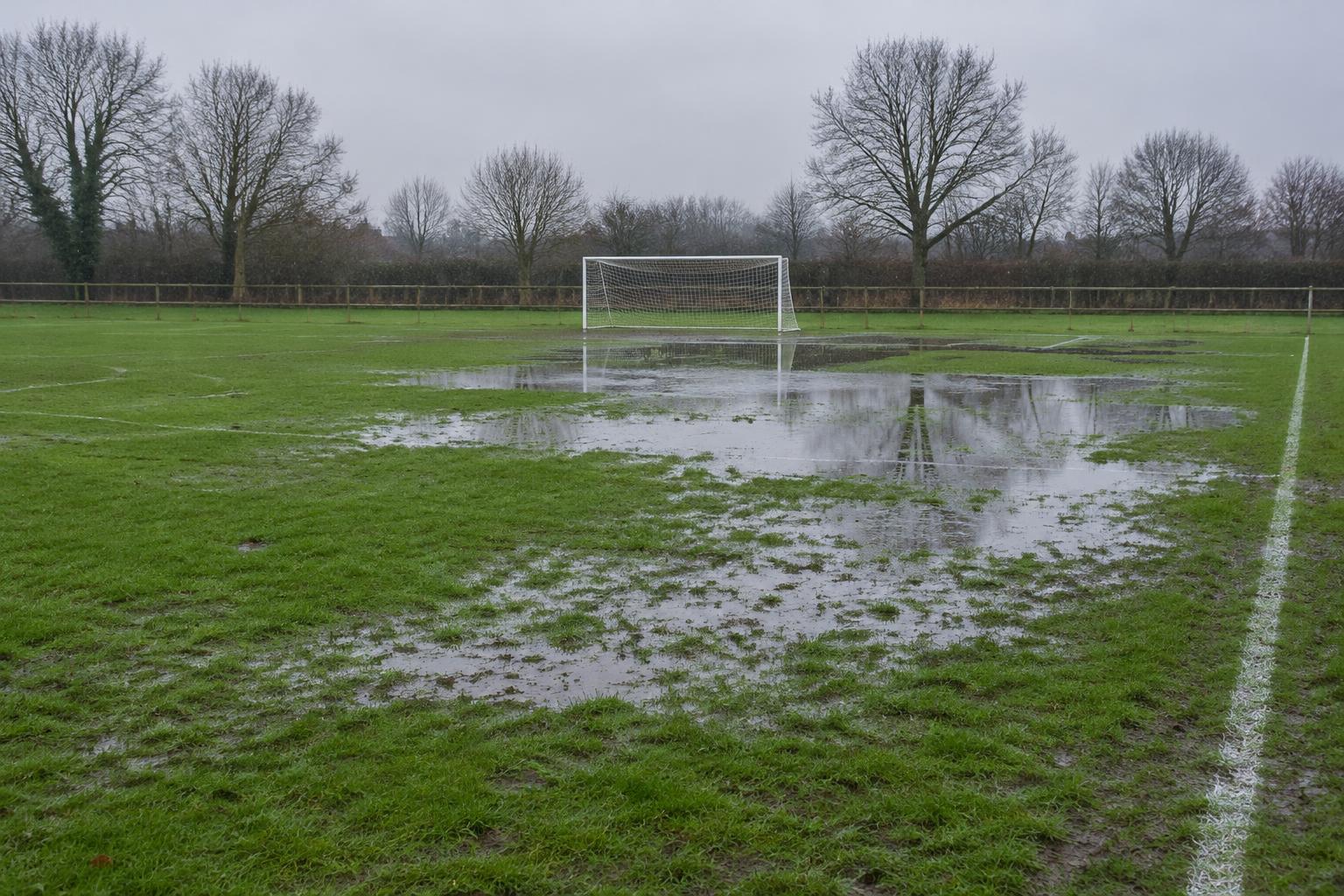
"Sorry everyone, training is cancelled tonight. Pitch is waterlogged."
Your child has been looking forward to football all day.
Their boots are ready. Their kit is packed. They're desperate to get out and play.
And now they're stuck at home.
It's frustrating, particularly during the winter months when bad weather can disrupt training for weeks at a time.
But just because your child can't get onto the pitch doesn't mean they can't spend a little time developing their understanding of football.
In fact, some of the most important parts of the game can be explored without kicking a ball.
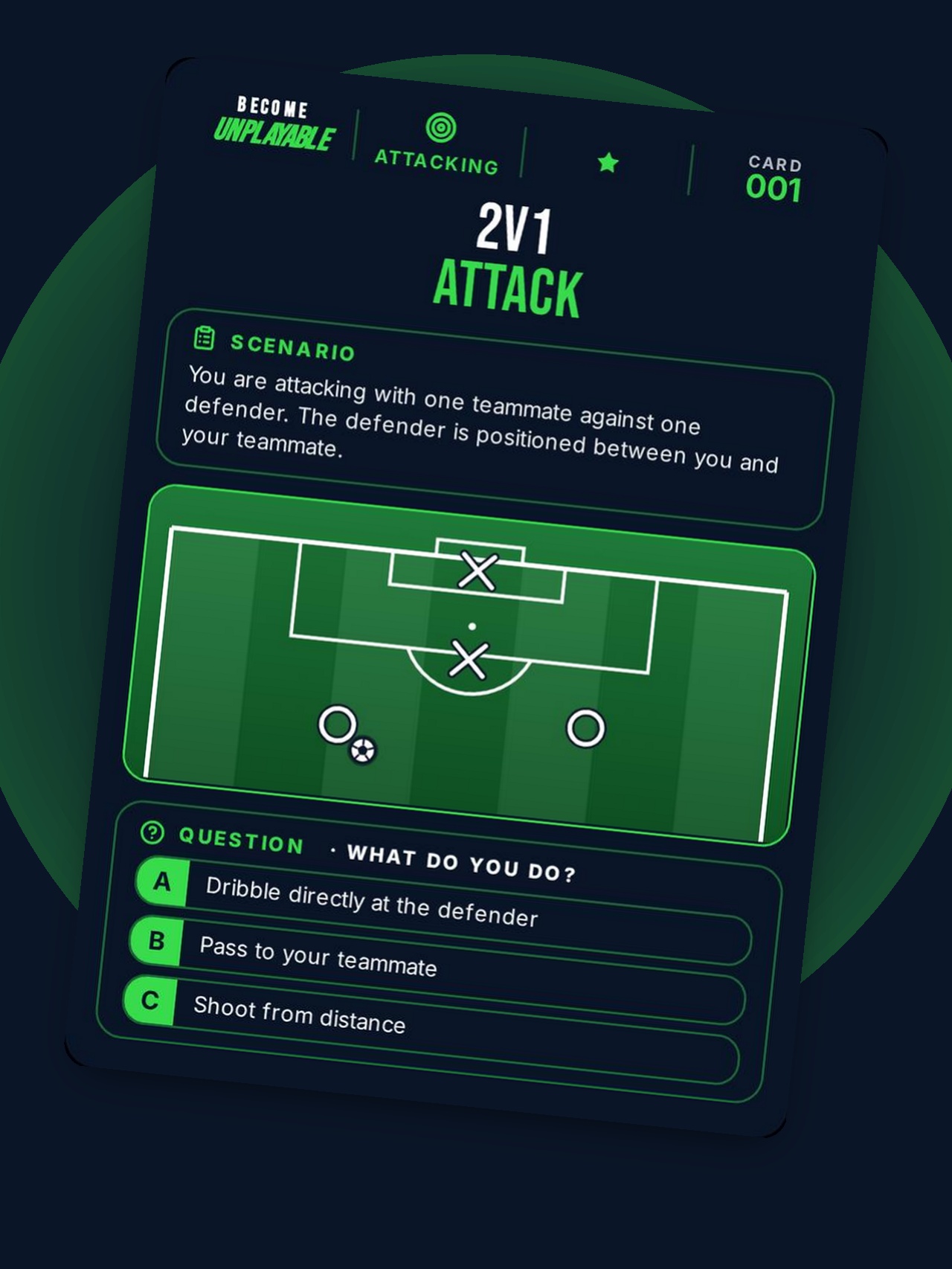
That's where Become Unplayable cards come in.
Football development isn't just about practising skills
When we think about helping children improve at football, we naturally think about physical training.
Passing.
Shooting.
Dribbling.
First touch.
And of course, those skills are important.
But think about what happens during a match.
A player receives the ball.
They have a defender closing them down, a teammate moving into space and only a moment to decide what to do.
Should they pass?
Should they dribble?
Should they shoot?
Or would moving the ball somewhere else create a better opportunity?
Having the technical ability to execute a pass is one thing.
Recognising when and why to make that pass is another.
And that's something young footballers can explore even when training is cancelled.
Turn 10 minutes at home into a football challenge
You don't need to replace an entire training session.
You don't need to move the furniture or set up cones in the living room.
Just grab your Become Unplayable Foundation Pack.
Choose three cards.
Sit down together and work through the situations.
For each card, ask your child one simple question:
"What would you do here?"
Let them study the scenario and choose an option.
Then ask:
"Why?"
You might be surprised by what they notice.
Perhaps they spot an unmarked teammate.
Maybe they recognise space behind a defender.
Or they might choose an option you hadn't considered.
That's the point.
You're encouraging them to look at the situation, think about their options and explain their decisions.
Make it a three-card challenge
Here's a simple activity to try the next time training gets cancelled.
Card 1: What would you do?
Choose a card and ask your child to explain their decision.
Don't tell them whether they're right or wrong straight away.
Let them explain what they've noticed.
Card 2: What else could you do?
With the second card, ask them to consider more than one option.
If they choose to pass, could they dribble instead?
If they choose to shoot, is there a teammate in a better position?
What might change their decision?
This encourages them to think about different possibilities.
Card 3: What would you look for?
For the final card, ask:
"If this happened in your next match, what would you look for first?"
Perhaps it's the position of the defender.
Maybe it's where their teammates are moving.
Or it could be recognising space before receiving the ball.
Now they're thinking about the information they might need before making a decision.
Three cards.
Three conversations.
And you've given them something useful to think about when they're back on the pitch.
Let your child challenge you
Here's another way to make it more enjoyable.
Swap roles.
Let your child choose a Become Unplayable card and ask you what you'd do.
You choose an option.
Then they get to ask you why.
You might find they disagree with your decision.
Even better.
Ask them to explain what they would do differently.
Perhaps they've noticed something you missed.
Maybe they've got a good reason for choosing another option.
It's a great way to make the activity feel less like a lesson and more like a football conversation.
And you don't need to be a qualified coach to take part.
Keep it fun, not another training session
This is important.
When training gets cancelled, children don't necessarily want their parents to recreate the entire session at home.
Sometimes they're disappointed.
Sometimes they'd rather relax.
And that's absolutely fine.
Become Unplayable isn't about turning every spare moment into structured learning.
It's about giving young players an enjoyable way to explore football situations when they feel like it.
You might spend five minutes on one card.
You might work through three.
Or you might end up talking about a situation from their last match.
There's no need to rush through the pack.
The value comes from the thinking and conversation, not how many cards you complete.
Take what they've learned into their next match
The next time your child gets back onto the pitch, you can remind them of one of the situations you've discussed.
Perhaps it was about recognising an unmarked teammate.
Or knowing when to dribble into space.
You don't need to give them a long list of instructions.
Simply ask:
"Remember that situation we talked about? See if you notice something similar today."
Then let them play.
They might recognise it.
They might not.
They might make a completely different decision when it happens in a real match.
That's part of learning.
The aim isn't to memorise answers.
It's to become more comfortable recognising situations, understanding options and making decisions independently.
Bad weather doesn't have to stop every part of football development
We can't control the weather.
We can't prevent waterlogged pitches or cancelled training sessions.
And nothing replaces the experience of actually playing football.
But we can help young players continue exploring the thinking side of the game.
Because football isn't just about what you can do with the ball.
It's about recognising what's happening around you and deciding what to do next.
And those conversations can happen anywhere.
At the kitchen table.
On the sofa.
Or during ten minutes of a rainy evening when training has been called off.
No boots. No pitch. No ball required.
Just a Become Unplayable card and one simple question:
"What would you do?"
Keep Your Child Thinking About Football with Become Unplayable
The Become Unplayable Foundation Pack is designed for young footballers aged 7–13, using visual match scenarios to encourage better decision-making and understanding of the game.
Each card presents a football situation with different options to consider, helping children explore what they might do and why.
Whether training has been cancelled, you're travelling to a match or you've got a few minutes at home, the cards make it easy to start a football conversation.
Help them see more. Think quicker. Make better decisions.